We asked Kim Vopni of Bellies Inc to share her advice on pelvic floor exercise for pregnant women. A pre and postnatal fitness expert and a mother herself she understands the demands of pregnancy, birth, motherhood and the benefits of a strong pelvic floor before, during and after pregnancy.
Chances are you have been told at some point in your pregnancy to ‘make sure you do your kegels’. While paying attention to the pelvic floor whilst pregnant is an absolute must, you’ll improve the benefits if you have a better understanding of what you’re doing, how to do it and why.
The Kegel Exercise was named after Dr Arnold Kegel. He saw women struggle with their pelvic floor connection after giving birth. He used a biofeedback device called a perineometer to help women learn to contract and relax their pelvic floor muscles. This act of contracting and relaxing the pelvic floor muscles became known as ‘the kegel’.
Exercising more, harder or faster is not always better – and that’s especially true with pelvic floor exercises. The true intention of a kegel is a balance between contracting, lifting and then letting go of that lift and contraction. It’s a voluntary exercise that can help retrain the pelvic floor, build endurance and increase strength.
The pelvic floor works in coordination with the breath and is anticipatory, meaning it should work subconsciously. It anticipates our moves and ensures the inner core unit is ready to support us throughout the day. Things like posture, pregnancy and birth can lead to challenges like incontinence, back pain and organ prolapse. The good news is that the inner core and pelvic floor can be retrained. Using kegels in conjunction with breath work is very effective in pregnancy, in birth and for postpartum recovery.
The Core Breath as we like to call it, is a powerful approach to pelvic floor fitness in pregnancy and will optimize your pelvic health for life.
When you breathe in, the diaphragm descends, the ribs expand, the belly expands and the pelvic floor eccentrically lengthens. When you exhale, the pelvic floor recoils and contracts, the transversus abdominis co-contracts and compresses the belly, the ribs soften and the diaphragm rises back up. This happens all day long and when we harness this by adding in voluntary pelvic floor contract/relax cycles, it can really up the ante on your core training.
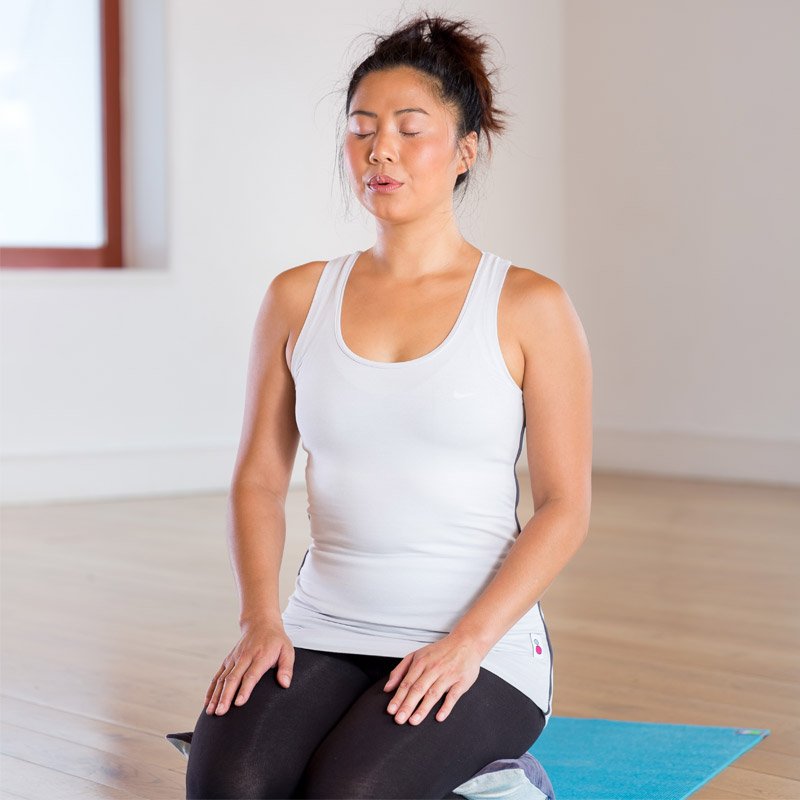
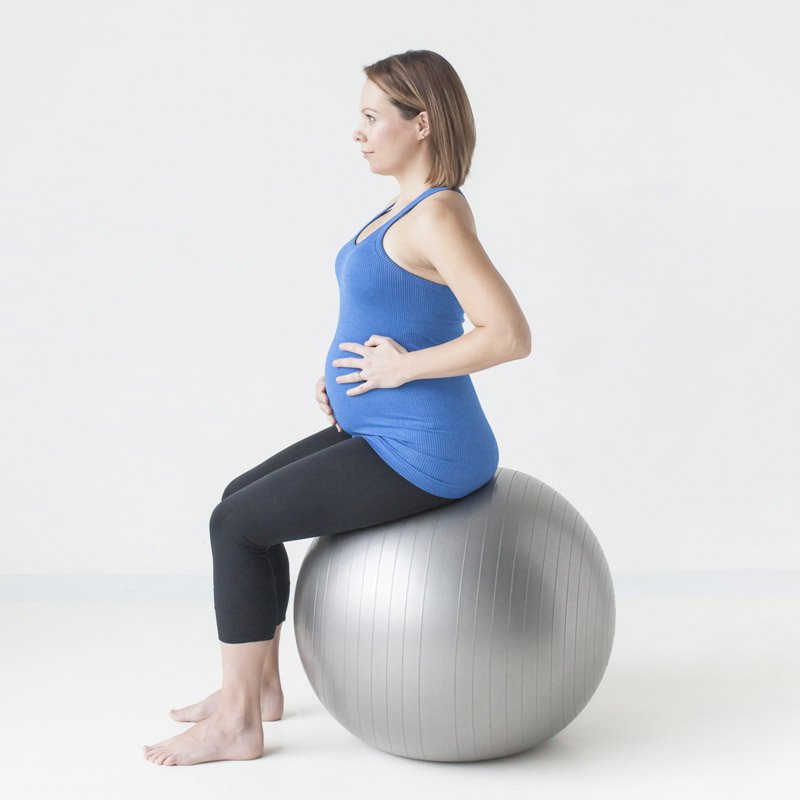
Try sitting on a fitness ball and pull the flesh of your butt cheeks outwards so you have a strong sense of your perineum on the surface of the ball. Ensure there is a gentle curve in your low back and that your ribs are not flared outwards but are instead soft, down and in line with your pelvis. Inhale and imagine breathing sideways into your bra strap. Feel the lateral expansion in your ribs, the overflow into the belly and the sense of fullness in your perineum on the surface of the ball. Now as you exhale, imagine sipping a milkshake through a straw with your vagina (I know…a bit odd but stick with me…) Visualize the edges of your vulva coming together and drawing upwards as you breathe out through your mouth and sip your milkshake with your vagina. As the next inhale starts, feel that lift and engagement subside. Congratulations, you have just completed your first functional kegel!
In your pregnancy, take about a minute a couple times a day to sit and connect with your breath and pelvic floor.
As you approach your due date (sometime around 37 weeks or so) make this slight adjustment: inhale to expand then as you exhale keep that expansion. As you work to birth your babe you don’t want to be sipping up milkshakes. You want your pelvic floor to let go of tension, expand and yield to the sensations of stretch and pressure to allow your babe to enter the world. Practicing with this awareness before you are in labour will help you learn what to do ahead of time.
The Core Breath is the first postnatal recovery exercise you should do once your baby is born and the sooner you start, the better your recovery will be. Even if you don’t sip milkshakes right away, doing intentional breath work with the visualization will help increase circulation, stimulate nerve growth factor and enable muscle memory.
The advice of doing kegels is good but enhance your application of it with intention, consistency and adjustments. Use the Core Breath to prepare, recover and restore.
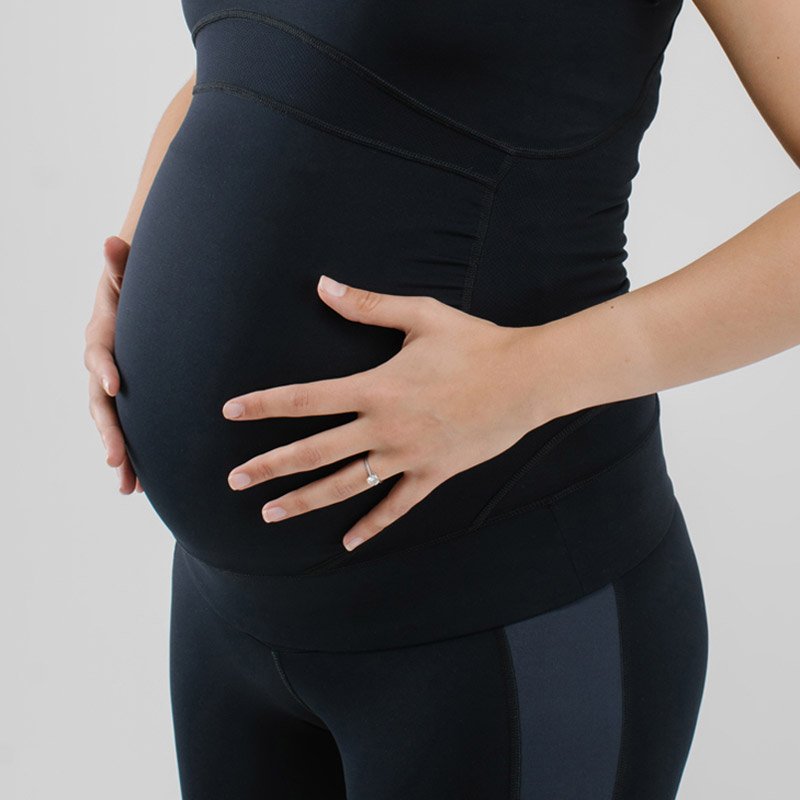
Bellies Inc is a company on a mission to bring the philosophy of mother roasting to modern mamas to be. With their innovative Ab System, they are helping pregnant women prepare for birth, optimize recovery and restore their core postpartum. The company was founded by 3 women, a pelvic floor physical therapist, and 2 pre/postnatal fitness specialists.