-
 blackginger
Core Blimey! Keep your core toned
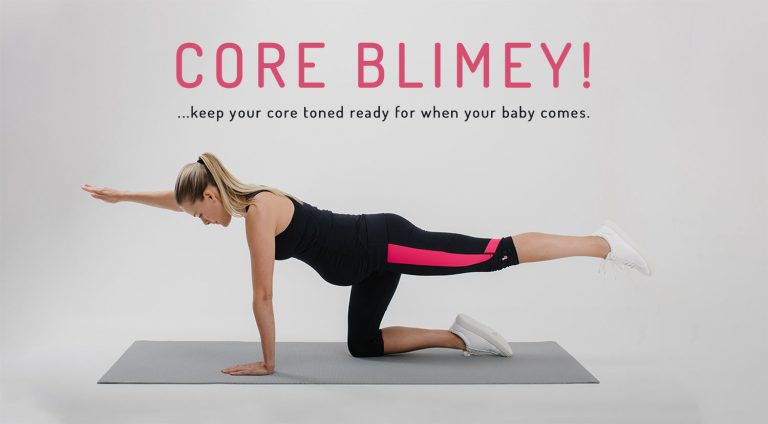
It’s great to see the actual physical evidence that your baby is growing day by day and there’s a strong temptation to stop worrying about your core and simply use your stomach as a handy place to rest your water bottle.
Losing your flat belly and perfectly chiselled abs is inevitable during pregnancy but maintaining the strength in your core has many benefits for your health, posture and postnatal recovery.
Keeping your core strong will improve your posture, helping to alleviate lower back pain; it can lessen the risk or severity of diastasis recti and you’ll be glad of those strong abs when it comes to delivering your baby. It’s well worth including regular core strength training as part of your pregnancy workout routine.
It will also help promote a speedier recovery after your baby is born.
Prenatal fitness expert Kimmy, pregnant with her second baby, demonstrates and explains her favourite core exercises for pregnancy.
She says ‘These pregnancy exercises don’t just work your core, they’ll also help work your thighs and glutes too!’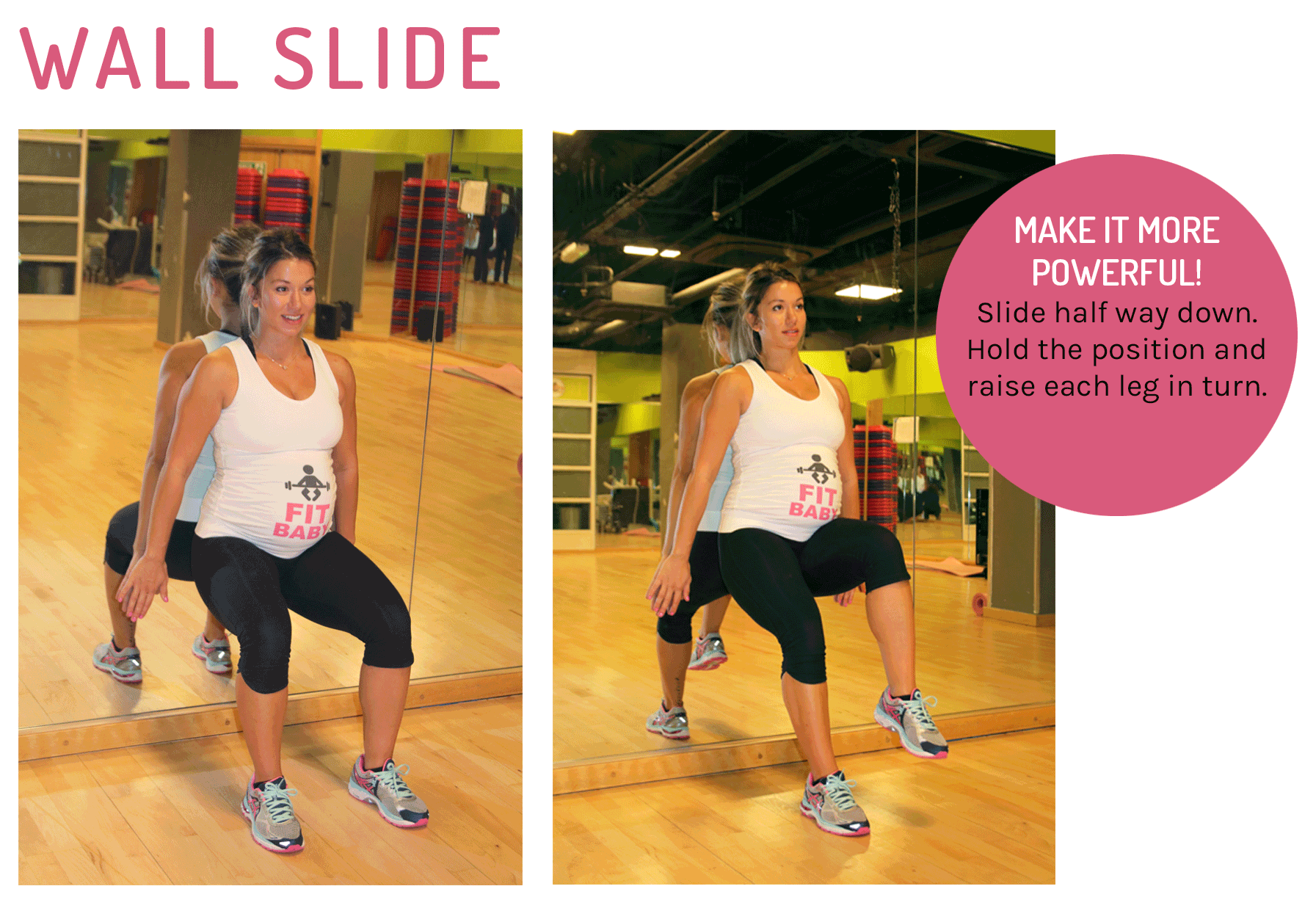
Stand with your back against the wall, feet hip width apart, arms pressing against the wall for balance.
Slide down the wall until your thighs are parallel (or almost parallel) with the floor. Return to standing.
5- 10 repetitions
Kneel on your mat, hands positioned beneath your shoulders and knees squarely below your hips. Make sure your back is in neutral with your head in line with your spin.
Engage your core.
Extend one arm out directly in front of you and lift the opposite leg straight out behind you.
Hold, breathe and lower.
5- 10 repetitions on each side
This will strengthen your thighs as well as your core and is good for improving your balance and coordination too.
Kneel on your right knee, with your right hand on the mat, using your extended right leg to balance.
Reach your left arm towards the ceiling. Keep your left leg extended, toes touching the floor.
Gently raise your left leg as high as feels comfortable, keeping your leg straight and in line with your body.
5- 10 repetitions and swap sides.
You might find it easier to balance with your upper hand on your hip.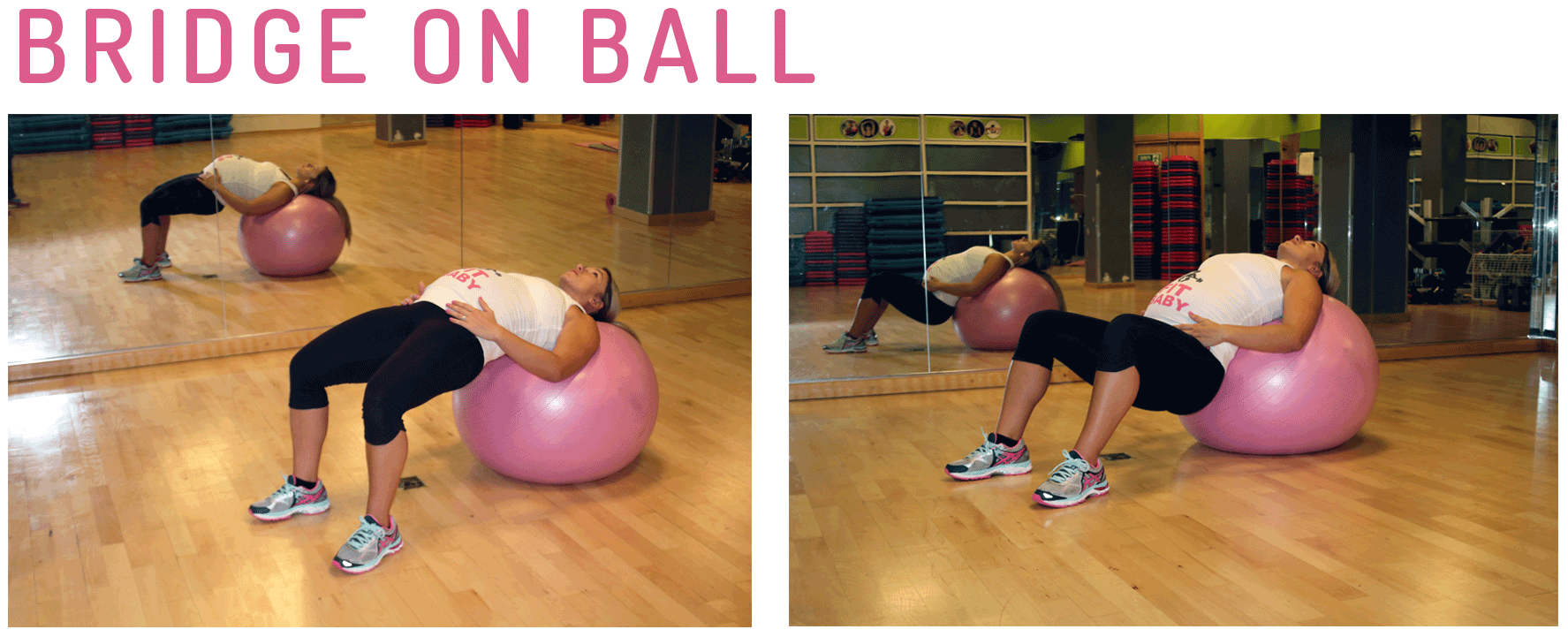
Start by sitting comfortably on your fit ball, feet firmly on the floor, hip distance apart.
Step your feet forward, rolling ball up your spine until you’re in the bridge position with the ball under your upper back and shoulders with your knees bent at a 900 angle. Make sure your knees are positioned above your ankles.
Keep your arms relaxed, hands on either side of your bump. Engage your core and press your hips up toward the ceiling.
Slowly lower your hips back to the starting position.
Repeat 5- 10 times -
 blackginger
Exercise during pregnancy is good for your baby too!
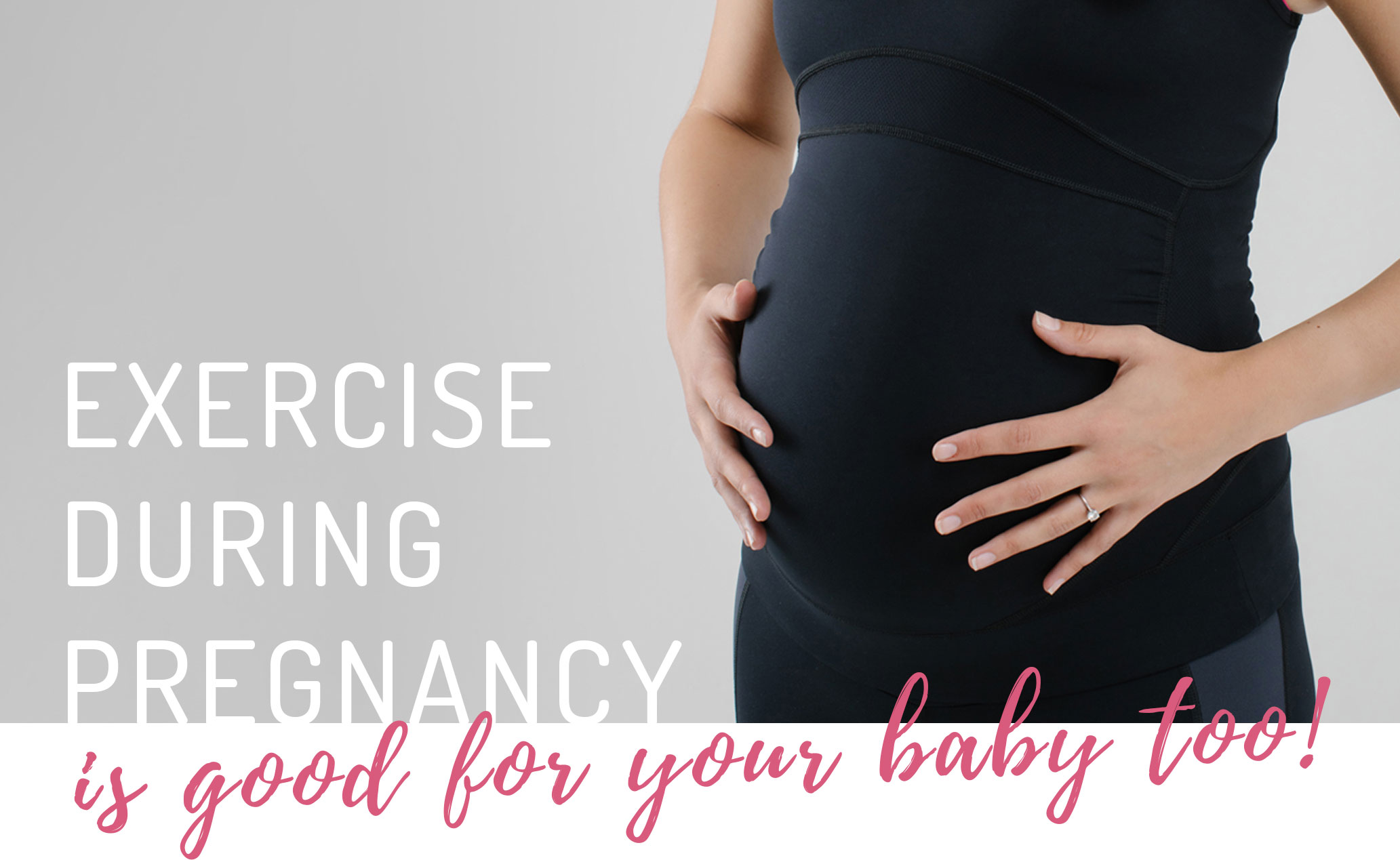
There are so many benefits to staying fit when you’re expecting …it helps ensure you manage a healthy pregnancy weight gain, prepares you for birth, speeds up your postpartum recovery and can alleviate all sorts of pregnancy aches and pains from swollen ankles to backache.
But did you know that staying fit during pregnancy benefits your baby too?
Research has revealed that your healthy fit pregnancy will boost your baby’s health, storing up long term benefits for your child! If you need any additional motivation to stay active during pregnancy… here’s why exercise is good for both of you.
Boost your baby’s heart health
Lower resting heart rates are a sign of an efficient heart – it’s long been recognised that people who exercise regularly (not exclusively fit pregnant women!) tend to have a lower resting heart rate – but research has shown that exercise improves your babies heart rate too. A study of pregnant women who exercised regularly revealed that their unborn babies also had lower heart rates, pumping blood more efficiently even before they entered the world.Long term benefits for your baby’s vascular function
It’s not just about heart health BEFORE your baby is born, your fit pregnancy can impact on your baby’s long term vascular health too, according to a study carried out in California.
Results of the research showed that exercise during pregnancy is a powerful programming stimulus in the arteries of the offspring.
Dr. Sean Newcomer, of California State University San Marcos and Dr. Bahls, of Universitätsmedizin Greifswald in Germany said, “Our study was the first to demonstrate that maternal exercise during pregnancy significantly impacts vascular function in adult offspring.”Will staying fit during pregnancy encourage your child to exercise too?
The chances are that if you exercise regularly you’ll encourage your children to stay active too, becoming a positive role model for your offspring – active mums are more likely to raise active kids. But scientists have explored the possibility that babies learn and absorb an exercise habit from their mothers before they’re even born!
Experiments carried out on mice revealed that the offspring of mothers who exercised (mice like to use their treadmills) were keen to run longer distances themselves as they approached adulthood and maintained a significantly higher level of enthusiasm for exercise than their counterparts born to sedentary mothers. The babies born to non-exercising mothers were less enthusiastic about running and moved around less frequently.
The scientists said: ‘Our findings show for the first time that maternal physical activity during pregnancy affects the offspring’s lifelong propensity for physical activity and may have important implications for combating the worldwide epidemic of physical inactivity and obesity.’
Healthy birth weight
Babies born to women who exercise during pregnancy tend to be less chubby at birth too. High birth weight babies have a greater chance of becoming overweight in childhood, with excess weight linked to a range of chronic conditions including asthma and diabetes. Staying fit during pregnancy and maintaining a healthy pregnancy diet means you’re less likely to pile on unwanted pregnancy pounds and more likely to have a baby with a healthy birth weight.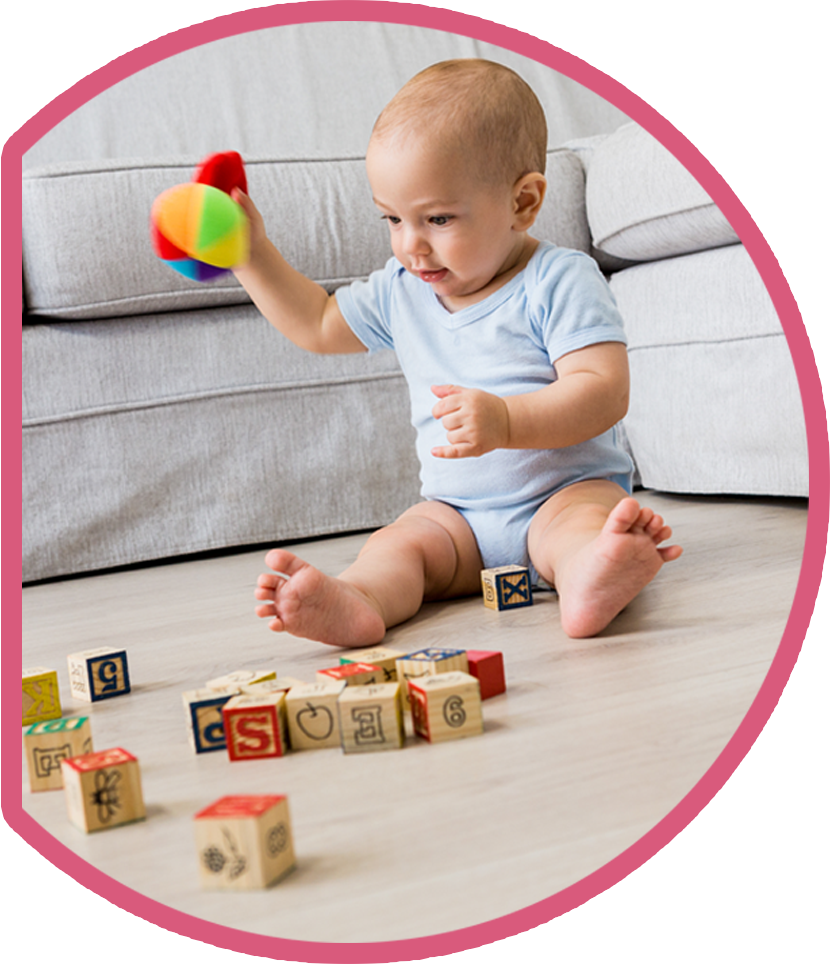
It’s not just physical benefits – your fit pregnancy can make your baby smarter too!
Researchers at the University of Montreal in Canada carried out a study on pregnant women (not mice this time!). They were all healthy, young women from similar lifestyle backgrounds, the only difference being that one group exercised regularly during their pregnancy, the other remained sedentary.
Their babies (all healthy boys and girls) were monitored soon after birth to test the electrical activity in their brains in response to different stimuli. It seems the brains of babies born to mums who’d had a fit pregnancy were more mature, showing a precocious brain development more in keeping with a much older baby than a new-born.
Ms. Labonte-LeMoyne who carried out the research commented “If a woman can be physically active during her pregnancy, she may give her unborn child an advantage, in terms of brain development,” adding, “We were surprised, by how much of an effect we saw from barely an hour of exercise per week.
It’s not just about maintaining your own health and fitness – the health of your baby is at stake too!
Doctors recommend that all healthy pregnant women should aim for 30 minutes exercise on at least five days a week. If you have any concerns about exercise during pregnancy consult your doctor or midwife before you start.
Would you like to know more about how to get started with your active pregnancy? There’s lots of support and information here. -
 blackginger
Watermelon is a perfect food for pregnant women

WHY WATER MELON IS A PERFECT FOOD FOR PREGNANT WOMEN
1. Watermelon contains more lycopene than any other fruit or vegetable. Lycopene is an antioxidant that can help prevent heart disease and cancer as well as boosting your immune system. It’s a delicious and natural way to help stay healthy when pregnant!
2. Studies have shown that a pregnancy diet that includes foods high in lycopene can reduce the risk of pre-eclampsia.
3. Watermelon is packed with antioxidants and contains essential minerals for your pregnancy nutrition including magnesium, copper and potassium.
4. One cup of watermelon will provide you with 17% of your daily requirement for Vitamin A and 21% of your Vitamin C. It also contains Vitamin B1 and Vitamin B6 – all necessary for your healthy pregnancy diet.
5. Watermelon is rich in an amino acid called L-citrulline which converts in the body to L-arginine which helps relax your blood vessels and improve circulation. Watermelon is a natural way to combat pregnancy varicose veins.
6. The potassium and magnesium found in watermelon can help alleviate the muscle cramps that often afflict pregnant women in their third trimester
7. Super refreshing, watermelon is perfect if you’re suffering from pregnancy nausea and morning sickness – cut yourself a lovely big slice or whizz it into a delicious Watermelon Cooler.
8. Make sure you include watermelon in your pregnancy diet if you’re exercising. It will help reduce your heart rate and soothe sore muscles after your pregnancy workout.
9.Watermelon is 92% water (no surprises there!) so it will help keep your body hydrated during pregnancy.
10. Big chunks of watermelon make an easy, refreshing and healthy dessert. If you’re trying to maintain an average weight gain in pregnancy, it’s a great alternative to sugary puddings! A cup of watermelon contains less than 50 calories.
Watermelon stores well at room temperature but should be kept in the fridge after cutting. It needs to be ripe to get maximum benefits – its nutritional value is limited before the fruit matures.
-
 blackginger
Can you run a Marathon during pregnancy?
CAN YOU RUN A MARATHON
DURING PREGNANCY?
Pregnant marathon runner Beatie, 27, took up running a year and a half ago as a way to get back into shape after having four children. She describes herself as ‘naturally athletic’ but with so many young children she struggled to consistently fit exercise into her schedule. Setting the goal of a marathon ensured her commitment to fit regular pregnancy exercise into her busy lifestyle.
We asked Beatie to share her top tips for running during pregnancy and how she prepared herself to run a marathon when pregnant.

How did you fit running into your schedule?
‘It was certainly a challenge fitting running into my schedule because I also work full time. I made a very set schedule for myself and was able to find four times a week to run, three slots of an hour and fifteen minutes and one longer run on Friday mornings.
I trained on my own, with the support and encouragement of my husband. He helped me find a training plan (I just used Hal Higdon online) and set up some basic interval workouts for me.
Committing to run a marathon whilst pregnant really motivated me to keep training. And I enjoy running so it wasn’t hard. I didn’t do any shorter races but with marathon training you really can’t miss any runs if you want to be properly prepared.’
Do you have any advice around nutrition for pregnant runners?
‘Make sure to fuel up properly – drink lots of water before and after runs, carb up before and have a high protein snack after. I use gels along the way for my longer runs – they’re very convenient and work well when you’re training. To be honest, I didn’t look out for specific pregnant-friendly options, just whatever was available!’
Did you change your running style for pregnancy?
‘Pay attention to your cadence – Increasing your cadence can make running feel a lot easier. Smaller, more frequent steps, especially when you are doing hill training, can make a huge difference.
It’s important to always warm up sufficiently, especially if you’re running during pregnancy. Start off more slowly, you’ll be amazed at how your body is able to build up speed and cool down properly – and make sure you spend time stretching at the end of your run.’How do your family feel about you running a marathon?
‘My kids are very proud of me, and came to both marathons! They all enjoy running around the house and pretending to run marathons as well. I generally ran when they were in school or sleeping so it didn’t take away any time from them.
My husband was incredibly supportive throughout and training for the marathons has definitely brought us closer.’
What about special kit for pregnant runners?
‘Get proper-fitting trainers with extra cushioning and support – your body is carrying extra weight so your feet are going to need more support. It’s definitely worth investing in a good pair of running shoes – Level 4 or 5 for stability, as well as a pad that is custom designed for your foot. Look for socks with extra cushioning as well.’Beatie wore the FittaMamma ‘Me & My Baby Running Together’ vest layered over a long-sleeved top when she was running. She also had a pair of supportive FittaMamma Maternity Exercise Capris, ideal for running during pregnancy.
Any final advice to other women who’d like to run longer distances during pregnancy?
‘Pay attention to your body – don’t overstress yourself or strain your muscles. If it doesn’t feel good, it’s time to slow down or stop.’Beatie ran the Tel Aviv Marathon at six and a half months pregnant, achieving an admirable time of 4.08.
She said ‘ I was thrilled with my 4:08 time, despite starting a half hour late (I had to bike there from within Tel Aviv) and the stress fracture on my foot.’
Truly an inspirational FittaMamma!!!!!

Issue 1
Fittamamma Magazine > Issue 1