-
 Nicola
Yoga – Ease Your Pregnancy Ailments
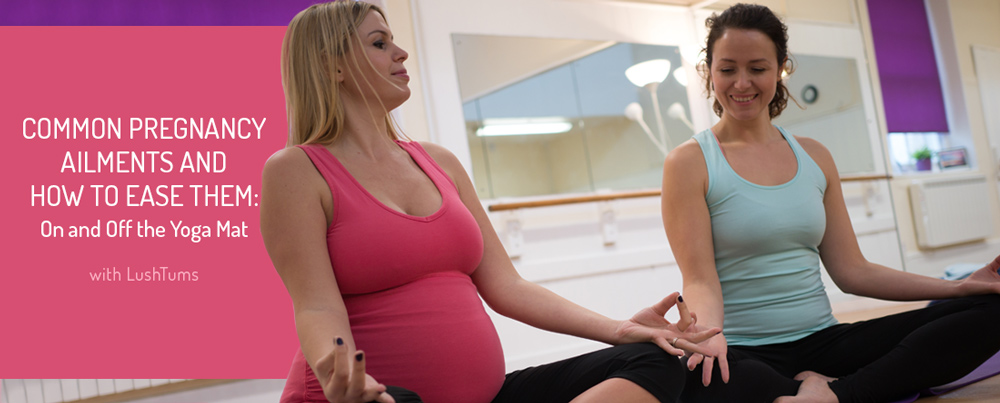
For all the talk of that famous pregnancy ‘glow’, there are plenty of days when it can feel pretty elusive.
Due to hormonal changes and the extra strain on your body, there are some less enjoyable side effects of pregnancy that affect many women.
Prenatal yoga expert Claire Maddalena, founder of LushTums, discusses how practicing yoga during pregnancy, combined with some simple changes to diet and lifestyle can help alleviate the symptoms of some common pregnancy ailments.
‘Not only does prenatal yoga keep you strong and fit and help you relax, it gives your immune system a real boost”, explains Clare. ‘Practising yoga when you’re pregnant can provide relief for lots of ailments, from indigestion and heartburn to sciatica.’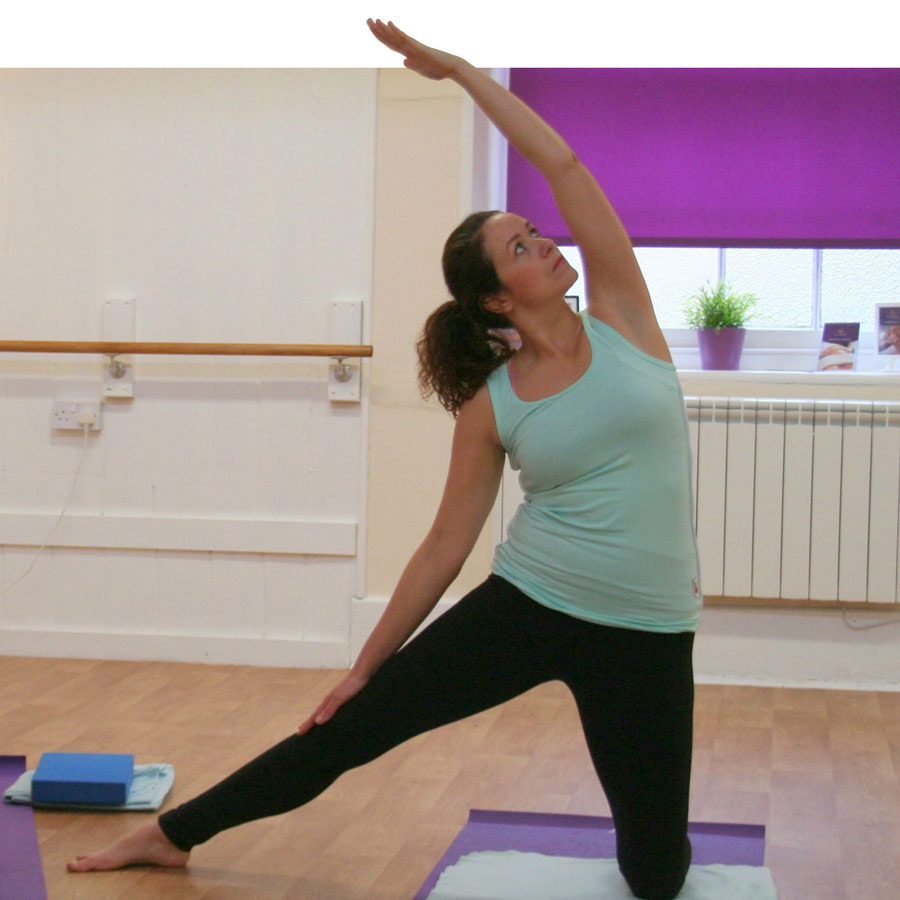
Indigestion and Heartburn:
Try adopting a ‘little and often’ approach to eating, rather than sticking to three meals a day. Make an effort to eat slowly, and try sitting in a kneeling pose during and after meals (you can just place a rolled up blanket underneath your thighs). It will help to lengthen your torso and stretch key pressure points in the thighs, creating more space and aiding digestion.
Drinking peppermint tea or hot water with a squeeze of lemon will also help.
Yoga poses where you kneel, or gentle heart and chest opening moves, will make even more space around the top of the tummy. Try inhaling as the arms come up to stretch the lungs and ribs and lift the heart further.Headaches:
We know it’s tough when your bump already makes you feel as if you permanently need the loo, but keeping hydrated is key to help keep headaches at bay. Drink plenty of water throughout the day, or try coconut water (which is also a great source of potassium, helpful if you are suffering from leg cramps or swelling).
Deep breathing exercises also help with headaches. In this video Clare takes you through alternate nostril breathing, which helps when you have a headache, but also you are feeling anxious or overwhelmed. And as with any other concerns during pregnancy, if you are suffering from headaches do make sure you mention it to your midwife, especially if your vision is affected.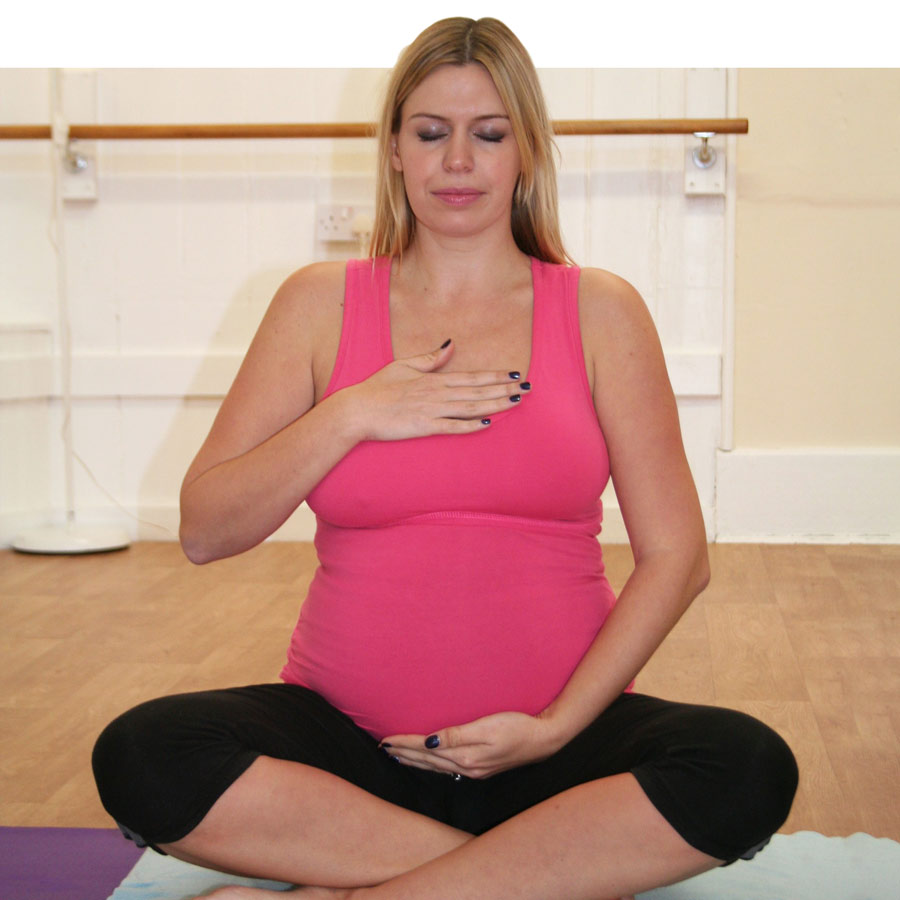
Sciatica:
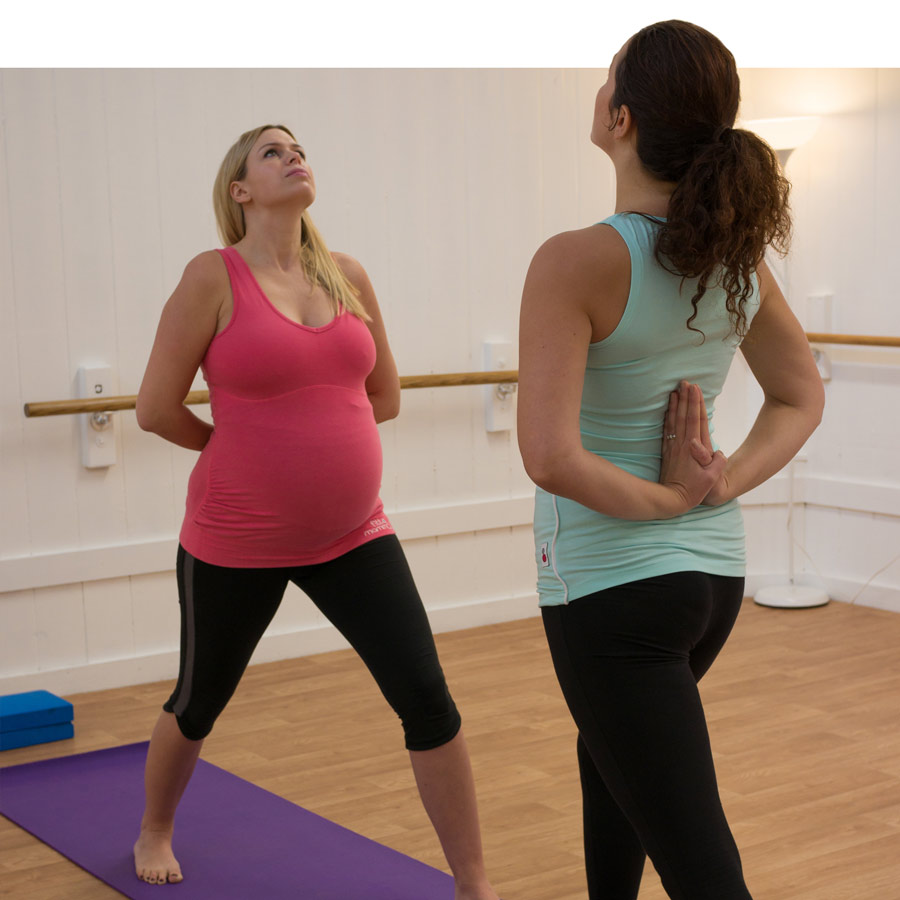
As your baby grows your uterus can press against the sciatic nerve, causing you to experience pain in your lower back or bottom, or a shooting pain down your legs, often just down one side. Pregnancy sciatica is most common during the third trimester: weight gain and fluid retention can add to the pressure, or your baby can change position, pressing their head against the nerve- it can be very painful! Try massaging your bottom by sitting on a tennis ball or check out this video where Clare shows you some easy to follow yoga movements that can help.
Insomnia:
Frequently needing the loo, difficulty turning over, snoring partners… many things can interrupt a good night’s sleep during pregnancy. For the best chance of a restful night avoid caffeine and sugar after 5pm and try to reduce your screen time in the evening (exposure to blue light disrupts sleeping patterns and reduces sleep quality). Chamomile tea can help and try adding lavender oil to your bath or use a lavender pillow spray. If you’re having difficulty sleeping, the alternate nostril breathing sequence will help you find calm as you concentrate on the breath. Or get in to the habit of listening to one of the guided meditations on the LushTums website in bed each night to help you drift off.
Pregnancy Backache:
Backache in pregnancy is often due to changes to your posture as the pregnancy hormone relaxin loosens your ligaments and the weight of the baby causes the back of your waist to arch more. Try to stand tall, with a slight bend in the knees to release the pressure on your lower back, and wear supportive clothes to help support the weight of your bump. Making little circles with the pelvis and rocking movements to tilt the tail bone under and back will help realign your pelvis and ease back ache.
If you’re still working at a desk, sitting on a birthing ball will help ease the pressure, and at the end of the day treat yourself to a warm bath. Regular pregnancy yoga is really beneficial for those who suffer from back pain, and some of the poses on all fours can really help. In this video Clare takes you through some yoga poses to try to help with this.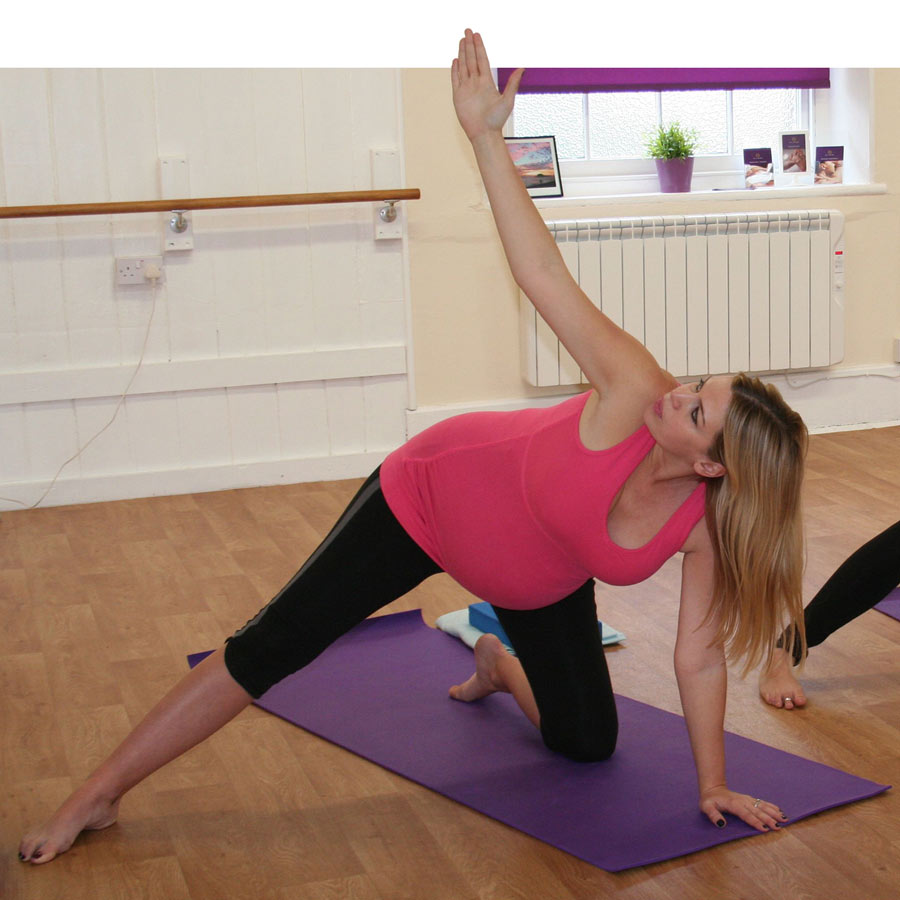
Making the time go to a yoga class, with the chance to prioritise your own needs is also hugely important. It’s a good way to learn techniques and tools to use at home to help you to relax, stretch out any aching limbs, get a more restful night’s sleep and generally promote a feeling of wellbeing.
LushTums is the UK’s leading expert in pregnancy and postnatal yoga and antenatal education; offering pregnancy yoga, birth preparation, postnatal yoga for mum and baby and women’s yoga classes across the UK. Check to see if they have a class near you. LushTums also offer teacher training, offering women the chance to create their own successful local LushTums franchise.
Find out more about training by clicking https://www.lushtums.co.uk/franchise-opportunity/ -
 Nicola
Eating Well For Your Healthy Pregnancy
Eating well for your healthy pregnancy
Choosing healthy food to eat during pregnancy should ideally start BEFORE you do that first pregnancy test. If you’re trying to conceive, making healthy changes to your diet will prepare your body and boost your fertility. AND of course eating well during pregnancy shouldn’t stop when baby is born: even if you’re not breast-feeding you need to provide the right nutrients for your postpartum body.
Meet Laura, founder of The Pregnancy Food Company and enjoy her top tips for healthy nutrition in pregnancy…
- Eat as close to the natural food as possible. That means not eating processed foods such as ready meals and takeaways, but instead enjoying fresh vegetables, fruits, organic grass-fed meats, eggs and wholesome carbohydrates.
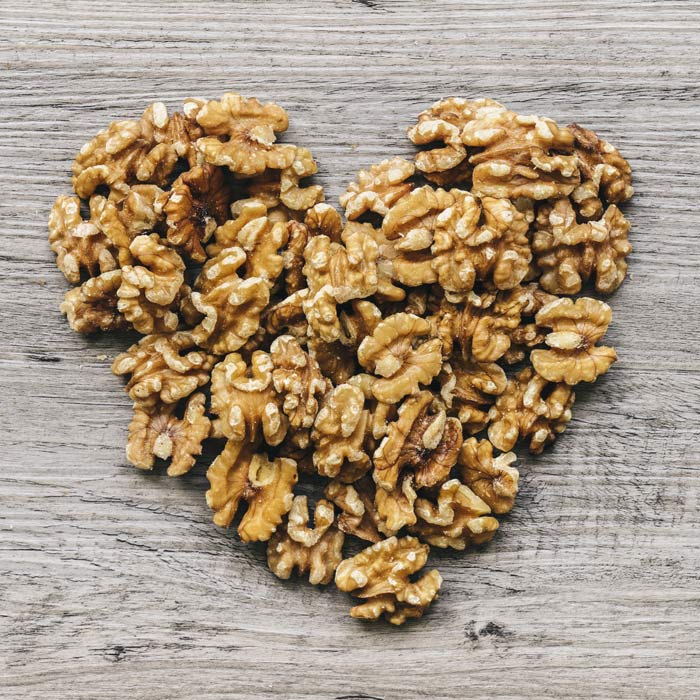
- Don’t be afraid of fat! Essential fatty acids are imperative for baby’s development, especially of the brain. ‘Good’ fats such as raw nuts, avocados and cold olive oil are also essential for your own mental health, skin, and milk production when you are breastfeeding.
- At a time when cells are dividing rapidly whilst your body creates a new human being, including antioxidants in your pregnancy diet is really important. These amazing little healers travel around the body helping to reduce the damage caused by free radicals and keeping cells healthy. Great antioxidants include; goji berries, blueberries, sweet potato, broccoli and tomatoes.
- Try and include protein at every meal. This doesn’t always mean meat; you can get good sources of protein from vegetarian and vegan sources too such as: chia seeds, hemp seeds, egg yolks, amaranth, hummus.
- Pre hydrating in the weeks before labour can actually help improve the whole birthing experience by giving you more energy. Think of your labour in terms of preparing for a marathon – you need to nourish and hydrate your body for best results!
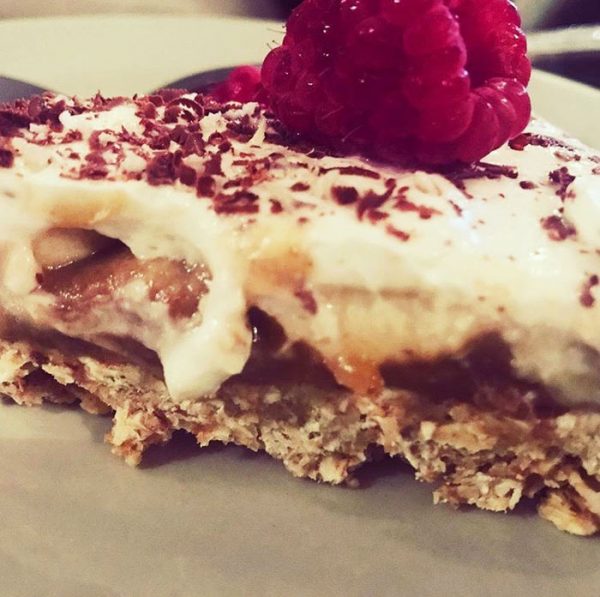
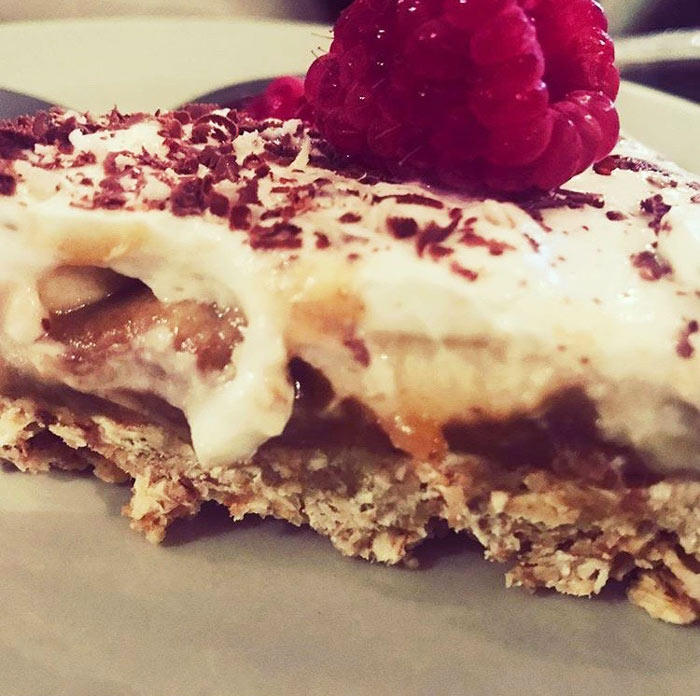
Eating well during pregnancy shouldn’t be a chore! Avoiding processed food gives plenty of scope for some delicious healthy pregnancy menus, including sweet treats such as this one, which avoids refined sugar.
Oat & Rye Banoffee pie
Delicious and refined sugar free it’s always a conversation piece too! It tastes like a treat so friends don’t feel like they are being denied a ‘proper’ pudding – but without any real nasties.
Ingredients:
- 200g Oats
- 100g Rye flour
- 150g salted butter
- 200g pitted dates (medjool if you can get them)
- 1 tsp vanilla essence
- 1 heaped tbsp peanut butter
- 10 tbsp hot water
- 3 bananas
- A few good tbsp’s of greek yoghurt
- Dark chocolate for decoration
Method:
Soften the butter and mix well with the oats and rye flour. Spoon into a round cake tin ( I use a 9 inch one), push down on the mixture so it creates a thin layer. Put in the fridge to chill.
Blend the dates with the hot water until they turn a nice caramel colour with a smooth texture. Pour into a bowl, add vanilla essence and peanut butter – mix in well.
Spread the date mixture over the oat base, creating an even layer on top. Pop back in the fridge.
Refrigerate for 2 hours (if you don’t have time to do this – don’t panic!)
Slice your three bananas and arrange on top of the date mix.
Spoon over your Greek yoghurt and spread evenly.
Grate your chocolate for a little decoration on top!
Keep in the fridge until you are ready to serve.FittaMamma says;
Eating dates during pregnancy provides a valuable source of fibre, as well as being high in potassium and calcium. Reputedly, dates are also good for labour. Studies have shown that women who regularly consumed dates during the weeks prior to their delivery had a shortened first phase of labour, with improved rates of dilation.Laura launched The Pregnancy Food Company in 2017 after having qualified in nutrition, and has worked alongside some of the UK’s top nutritionists and medicinal chefs to create tasty, refined sugar-free, nutrient-dense foods for preconception, pregnancy and beyond. Having decided against midwifery (night shifts and hospitals!) Laura decided to take a different path to help women have a happy, healthy and enjoyable pregnancy.
Find Laura on Instagram, Twitter and Facebook. -
 Nicola
How can I exercise when I’m breastfeeding?

Midwife Jane Mason of the Natural Birthing Company shares her top tips about getting back into exercise when you’re breastfeeding.
If you’ve exercised during your pregnancy, the chances are you’ll be looking forward to getting back to exercise after your baby is born….but very likely your breasts will be front and foremost in your concerns about hitting the gym.
Jane says, ‘In the early days of breastfeeding your breasts may well feel huge with a mind of their own when it comes to leaking. Very likely you’re also encountering sore nipples or engorgement as well, but don’t panic! As your baby becomes established at breastfeeding and you start to develop a feeding routine, your breasts should start to feel more comfortable.
Exercising won’t affect either the amount or quality of your milk supply so here’s some tips about getting back into fitness as a breastfeeding Mamma: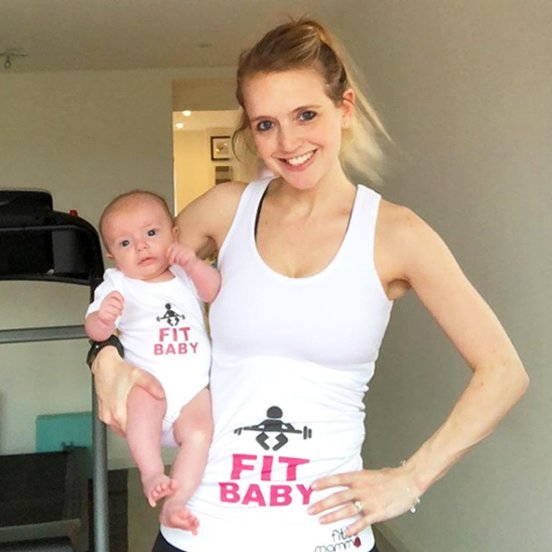
- Buy a new sports bra to support your new sized breasts during exercise as well as reducing the risk of stretch marks, improving posture and helping to alleviate back pain. Don’t be tempted to use an old sports bra that is a bit too tight now as this can cause mastitis.
- For maximum comfort always exercise AFTER a breastfeed. This way your breasts are empty and, knowing your baby is fed will make it easier to relax and enjoy your postnatal exercise session.
- Another option is to express your milk prior to exercising. The best time to introduce your baby to taking your expressed breast milk from a bottle is around 2-3 weeks old. Any sooner and there’s a risk you’ll confuse them with the art of breastfeeding (it’s a different sucking action); any later and you may well struggle because baby is so used to your breast that he or she won’t entertain a bottle in their mouths!
- If you want to breastfeed your baby straight after exercising bear in mind your skin is likely to be sweaty. If your baby seems a bit overly fussy they may not like the salty taste so give your breast a quick wipe to remove the sweat.
- If you love high intensity exercise it’s worth knowing that whilst lactic acid does not increase in your breast milk during moderate exercise (50-75% intensity), it does increase in exhaustive exercise (100% intensity) and is present for around 90 minutes post-exercise before it decreases naturally again. There are no known harmful effects for the baby after drinking breast milk with increased lactic acid, so it’s completely up to you if you want to feed them during this period although it may affect the taste for them.
- Don’t forget to pop a couple of soft breast pads into your sports bra, not only to catch any leaks but also to help prevent your nipples chaffing (add a touch of nipple balm too for added protection!)
I hope this has given you some reassurance that exercising as a new Mammas is completely possible, just remember to take your time and listen to your body.
Natural Birthing Company’s products support you in pregnancy, labour and in life as a new Mamma. Our range includes postnatal products to comfort and promote healing of your perineum and well as breastfeeding oils to comfort engorgement, low milk supply or sore nipples.FittaMamma founder Alexandra says ‘Until you start breastfeeding it’s difficult to understand just how many changes your girls go through over such a short period of time, whether it’s too much milk, too little milk or just generally feeling tender and sore. Ooh, aah and ouch sums up exactly how they feel! These oils smell amazing and are really soothing…..I love these products!’
Shop them here!
USE OUR EXCLUSIVE CODE FIT10 TO ENJOY A 10% DISCOUNT* ON ANY PURCHASE FROM NATURAL BIRTHING COMPANY ONLINE SHOP.
FittaMamma Tip:
Our maternity exercise leggings are designed to wear after your baby is born too – they are perfect for postnatal exercise, holding and supporting your ‘mummy tummy’ and flattering your postnatal curves whilst you get your pre-baby body back -
 Nicola
Getting back into fitness after the birth
FittaMamma Founder Alexandra McCabe is enjoying getting back to her postnatal workouts (and work) since the birth of baby Ben three months ago.
Wow, these first few months of our son’s life have absolutely flown by, it’s hard to realise that it’s three months since I was writing about the benefits of massage during labour and recommending watermelon in the delivery room!
Ben no longer fits into his size 1-3 months clothes (why didn’t anyone warn me how quickly he’d grow?*) and I no longer fit into any of my tops. Bottom half, fine, welcome back favourite jeans – top half, hey, where did these enormous new friends come from?Unsurprisingly, I was super-keen to get back into exercise after Ben’s birth. It wasn’t about the need to regain my pre-baby body, or to try and be any sort of fitness super-star (I’m not!) but simply the desire to be up and moving post-pregnancy. I was looking forward to enjoying working out without a baby bump and running without carrying all that extra pregnancy weight.
However rushing into the gym, or heading immediately out for a postnatal run is NOT a good idea.
You really do need to give your body some time to heal after the birth of your baby – after undergoing nine months of change you simply can’t expect your body to recover in nine days ….or even nine weeks!
So, can I share how I’ve got back into postnatal exercise?
First and foremost of course was the immediate ‘lift and squeeze’ – you can (and should) start pelvic floor exercises on day one. Hopefully if you’ve been exercising during pregnancy you’ll be used to including pelvic floor exercises as part of your daily routine. Your pelvic floor undergoes a lot of pressure during pregnancy and it’s important to maintain your strength in this unseen and unsung hero amongst muscles.
Get up and moving as soon as you feel comfortable to do so. Whilst walking can feel like a poor relation if you love to run, being gentle on your postpartum body will benefit you in the long term, you can do more damage than good if you start running too soon after giving birth.The wonderful Vicky Warr of Beez Kneez has been my ‘go to’ for postnatal fitness. Her online postnatal fitness course, downloaded to my phone, has been a fantastic way to strengthen my body, build my confidence and prepare me for my return to the gym.
This is an 8 week programme which starts with just 10 minutes a day, so her postnatal exercise routines are easy to fit in when Ben is asleep. Key focus initially is rebuilding your core and helping you to recover the strength in your abs, especially with regard to managing, monitoring and healing diastasis recti. She includes those all-important pelvic floor exercises, using deep breathing routines to make sure you hit the right areas.
Vicky is knowledgeable and reassuring, with lots of guidance and easy to follow videos. She also has a closed facebook group so you can ask her any questions directly. I would highly recommend this course, her at-home postnatal workouts are a great way to get back into fitness after birth.So the next stage in my postnatal fitness recovery has been feeling good about leaving Ben with his dad so I can grab an hour at the gym or a run. Whilst I would highly recommend doing this as soon as possible after a feed (full baby/empty breasts) it’s not always possible.
Let me introduce my MAM 2-in-1 Single Breast Pump!!!
This little machine has been key to getting back into fitness AND getting back to work. After trying an alternative that was noisy, clunky and not that comfortable (sorry guys!) I was exceptionally happy to be given a MAM breast pump to trial. Whilst I can’t pretend that milking will ever be my favourite aspect of motherhood, this pump makes it as easy and discreet as I could possibly ask for.
Comfortable to use it is super-efficient, filling the bottles provided with minimum fuss and almost no noise. It’s easy to transport, works off a re-chargeable battery so it doesn’t require mains access and the bottles are fully sealed to remain sterile when they’re stored.
I can rapidly pump enough milk to be reassured that if Ben is with someone else he will not go hungry. The little bottles are lined up (dated of course!) in the fridge where they can be stored for up to four days.
Fortunately he is happy to accept (almost too happy!) a bottle. I followed Jane Mason’s good advice about introducing him to the bottle once feeding was established, but not leaving it too late that he’d refuse any alternative to the breast.
Thanks MAM!And whilst we’re talking breasts, I would also recommend you support your girls with a well-fitting nursing sports bra. I started wearing my Hot Milk sports bra during pregnancy but it has really come into its own since Ben was born. Don’t underestimate the need for support and easy breast-feeding access after a workout is a boon!
But I feel like I’m going from strength to strength, re-discovering my previous levels of fitness and, as my postnatal fitness improves, I have more energy for Ben too!*haha someone did, sorry Mum!!!!!
Issue 12
Fittamamma Magazine > Issue 12


