-
 Nicola
10 Reasons Why Oats Are Good For Pregnant Women

Oats offer so much more than a warming breakfast as the mornings get chillier! Getting your oats on a regular basis is a surefire way to boost your healthy pregnancy diet. And don’t just keep them in the food cupboard …. oats are beneficial for your skin too, perfect for making a gentle bath soak to soothe your sensitive pregnant skin.
Check out our ten favourite oaty facts and uses
- Oats are a great source of carbs and fibre but they’re also exceptionally nutrient dense with more fat and protein than most grains. Ideal as part of your pregnancy diet, half a cup of oats contains around 20% of your daily iron requirements, 20% of the zinc you’ll need, 11% of your folate and 39% of your Vitamin B1. All in just one breakfast bowl!
- Oats can help lower blood pressure. High in antioxidants and beneficial plant compounds called polyphenols, oats include a unique group of antioxidants known as avenanthramides. These are thought to help lower blood pressure levels by increasing the production of nitric oxide, a gas molecule which helps dilate blood vessels improving the flow of blood. Especially important during pregnancy when you have up to 50% more blood in your system!
- Oats are high in both soluble and insoluble fibre. Insoluble fibre is the one that helps your digestive tract to process food, helping you avoid the dreaded pregnancy constipation. Oats are particularly high in beta-glucan, a soluble fibre which slows digestion and has added benefits in lowering cholesterol. It also helps to make you feel fuller for longer.
- The beta-glucans in oats help slow the absorption of sugar by the body, reducing blood sugar spikes and keeping your blood sugar levels stable. According to one study, the fibre in oats helps improve the metabolism of glucose – good news if you’re aiming to reduce the risk of diabetes and obesity. That big bowl of porridge in the morning will provide slow burn energy, ideal to fuel your pregnancy workouts.
- Oats for breastfeeding. Many breast-feeding mothers recommend oats to increase their milk supply. The iron-rich properties of oats, combined with the potential benefits of beta-glucan in raising the levels of the breast-feeding hormone prolactin can boost breast milk production. Or maybe it’s just the comfort factor of a warming bowl of porridge that simply relaxes you, helping your body produce more milk!
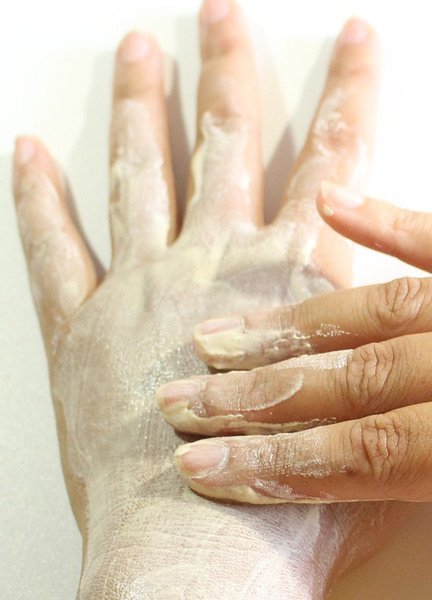
- For skin care buy uncooked whole oats and grind them in a food processor until you have a fine, even powder. Test the consistency by adding a spoonful of your freshly ground oats to a glass of water – the liquid should turn a milky white.
- Treat yourself to a truly relaxing oatsoak bath. Add a generous handful of ground oats into your tub as it fills up with warm water and then shake in a few drops of lavender oil or a pinch of dried lavender. As you relax in the bath the oatmeal will cleanse your skin and lock in moisture, while the lavender releases a calming, soothing scent. Avoid staying in too long – 15 minutes oaty soaking is recommended.
- Oatmeal can help to normalize your skin’s pH, alleviating irritation and softening and moisturising your skin – a perfect natural balm for easing the itchiness often associated with pregnancy, especially as your skin stretches as your bump gets bigger.
- Oat Body scrub. There’s something about being pregnant that encourages you to ditch chemicals and over the counter products in favour of natural products with ingredients that you’ve mixed yourself. If your pregnancy body scrub is good enough to eat then you can be pretty sure it’s ok to rub it on your pregnant skin. Blend ½ cup of ground oatmeal with ¼ cup of coconut oil and ½ cup of brown sugar – demerara works well, but experiment to see which works best for you. You’ll get the same cleansing and buffering properties without all the unnecessary harshness…and, as an added bonus, the coconut oil will give your skin a healthy-looking pregnancy glow
- Dress up your porridge. Whilst the Scots swear by pinhead oats soaked in water overnight most of us opt for the easier ready rolled oats that can be cooked in minutes. We suggest a ratio of one cup of porridge to two cups of liquid – try one cup of whole milk and one cup of water to bring an extra boost of calcium to your pregnancy diet without being too gloopy. Have fun with the toppings! Add sultanas, chopped nuts, seeds (linseed, flax or pumpkin seeds work well), cranberries or goji berries. Top with slices of banana, apple or blueberries. Add a dollop of yogurt, a swirl of honey or an indulgent spoonful of golden syrup.
Try these porridge recipes for pregnant women or include your oats in energy boosting granola bars.
-
 Nicola
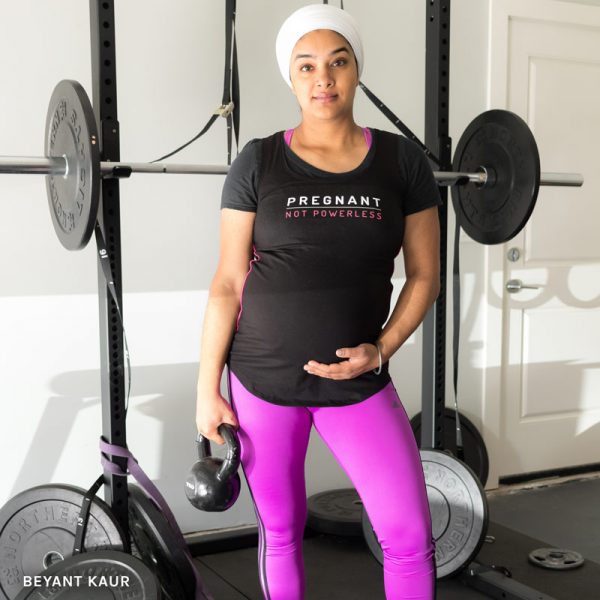
Are you ‘taking it easy’? Or are you ‘Pregnant, NOT Powerless’
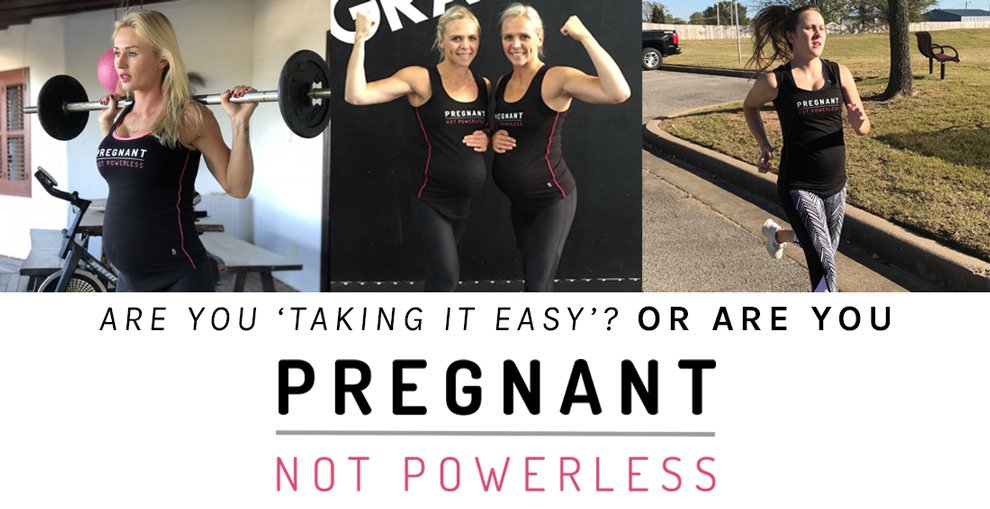
FittaMamma launched the Pregnant Not Powerless campaign to combat the perception that pregnant women should avoid anything more strenuous than a gentle walk.
We’ve been working with the University of Portsmouth to conduct research into the motivators and barriers to pregnancy exercise and it seems that women are still put off exercise by conflicting advice and anxiety around what exercise is safe to continue. Even health and fitness professionals often err on the side of caution, recommending that pregnant women should ‘take it easy’.

But ‘taking it easy;’ means different things to different women. If you’re used to running marathons, ‘taking it easy’ could mean scaling back to a half marathon. For women who factor in an hour at the gym every day, exercise is part of their identity and ‘taking it easy’ is not an option.
Yes, of course you should listen to your body. Take heed of the ‘Talk Test’ – if you’re exercising so hard you can’t talk it’s time to ease up, slow down or take a break. Your runs should be are not so far and not so fast, and yes, it’s perfectly ok to walk up hills. Choosing lighter weights and more repetitions is recommended during pregnancy and as your bump gets bigger you’re going to need to adapt your routine.
But swapping your runs for a walk or ditching your gym sessions in favour of some ‘gentle stretches’ simply isn’t an option for many women. And there’s nothing more aggravating than someone sharing their opinion that you shouldn’t be exercising …..especially when you KNOW that exercise during pregnancy is good for you and good your baby.We asked many amazing pregnant women to help us share the Pregnant Not Powerless message…
Check out these inspirational Fit Mammas wearing their Pregnant Not Powerless vests with pride!

Every pregnant woman who wears the Pregnant Not Powerless vest is making a difference, inspiring other women that exercise during pregnancy is not only safe but beneficial for both mother and baby. Join our inspirational FittaMammas and help spread the message ….it’s so important!
-
 Nicola
SURVEY RESULTS: Exercise During Pregnancy

If you’re reading this, the chances are you have opted for an active pregnancy and are keen to meet the pregnancy exercise guidelines recommended by NICE and the Royal College of Obstetricians and Gynaecologists ….that’s at least 30 minutes exercise every day.
But what motivates you to stay fit? Did you struggle to find the right advice about safe pregnancy exercise? And why don’t more women stay fit during pregnancy?
Despite the recognised advantages to staying fit, we wanted to find out just why some women hesitate, or are put off, exercising during pregnancy.
FittaMamma has been working with a Research Group at the University of Portsmouth to gain a deeper insight into women’s attitudes to pregnancy exercise, with a series of focus groups and surveys with pregnant and early postnatal women.
We explored just what sort of exercise women enjoyed before pregnancy, whether they continued to exercise and how quickly they went back to exercise after their baby was born. We wanted to understand who you trusted most to provide advice and most importantly, what were the biggest barriers to exercise…and the biggest motivators.
Whilst the most popular exercise activities amongst women are running and working out in the gym, more than half of the respondents gave up during pregnancy. Why, you might ask?
One of the most common reasons for giving up exercise during pregnancy was tiredness, although other issues were fear that exercise will harm their baby, concern about the contradictory advice received and 10% of respondents gave up because their partners didn’t want them to exercise.
Interestingly, nearly a third of women, (31%) gave up exercising because they hadn’t found the right fitnesswear. Needless to say, our survey base was not made up from FittaMamma customers!!!So what motivates women to stay active?
Almost three-quarters of the women who continued to exercise throughout pregnancy said they were staying fit because ‘exercise is good for me’, whilst 65% exercise because it’s ‘good for my baby’. A similar percentage stay active ‘because it’s makes me feel happier’. What’s not to love about doing something that is not only good for you but makes you happy too?
Around 70% said they wanted to better prepare their bodies for labour. We agree, it’s definitely worth improving your strength and fitness in preparation for the most physically demanding activity most women undergo.Avoiding excessive weight gain was also important to our respondents – and this was certainly one of the biggest reasons for exercise after the baby is born. A staggering 86% of women said they exercised because they wanted to lose weight.
The research reaffirmed just how important it is to spread the word that exercise during pregnancy is not only safe to continue, but will benefit both mother and baby. We’d like ALL pregnant women to recognise that staying active is right up there along with giving up smoking and drinking alcohol.
Part of the ethos at FittaMamma is to provide accessible and user friendly information to encourage women to exercise during pregnancy, with exercise guidelines and workout videos. Supporting women to stay active is just as important to us as providing the best possible maternity fitnesswear so women feel comfortable and supported when they exercise ….whether it’s a 10k run, weight training or a yoga class.
Even a modest amount of exercise each day can help you to feel LESS tired, helping to improve your circulation and boost your energy levels. And staying active is a key contributor to avoiding piling on too many unwanted pregnancy pounds, helping speed up recovery after the birth.
An active pregnancy benefits baby too, not just initially but with long term benefits to their health….it’s win win all round.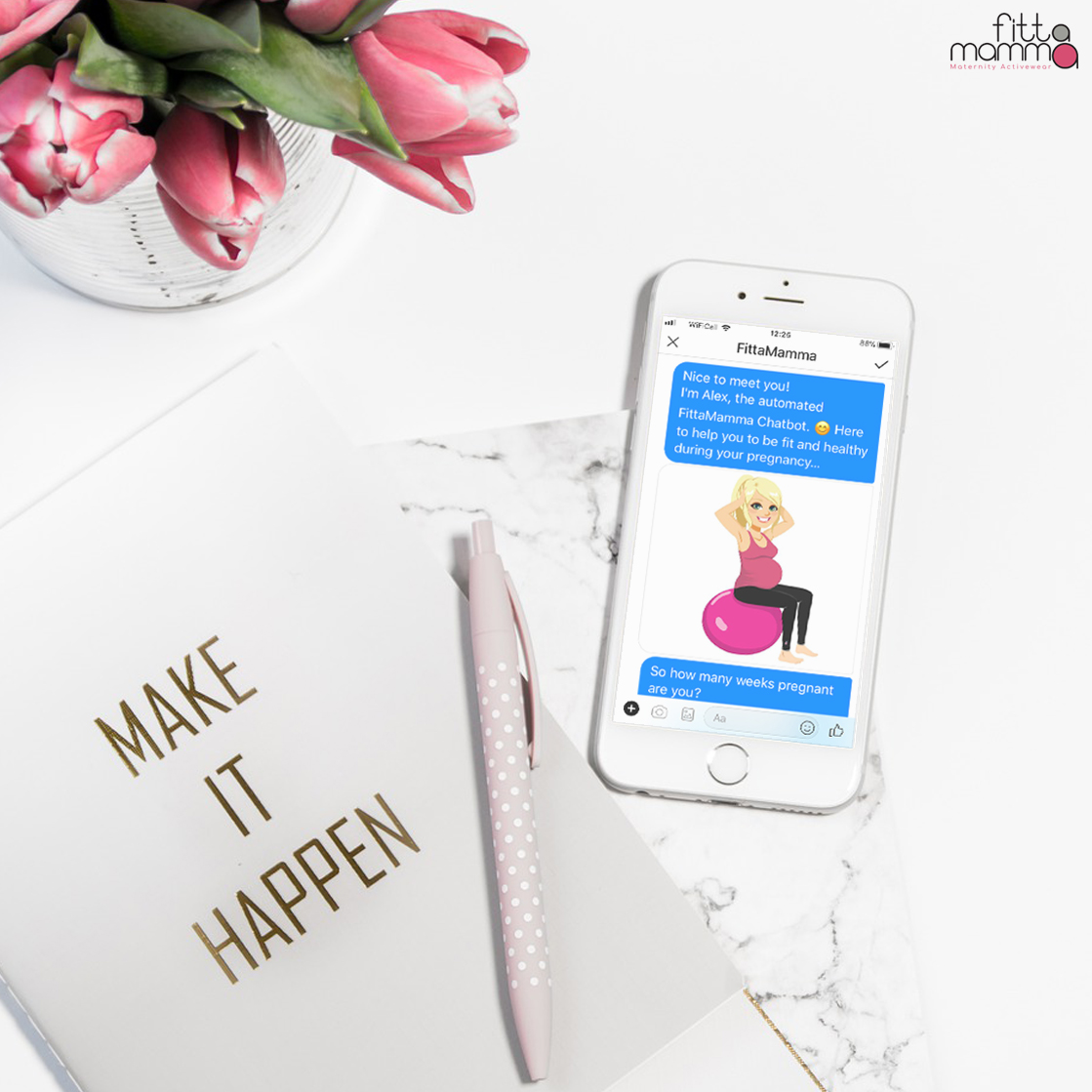

Spread the word!
Share our website not just with your pregnant and postnatal friends, but if need be, your partners, reassuring them that staying active during pregnancy is safe and beneficial to both mother and baby.
Midwives were cited in our survey as the most trusted source of information during pregnancy and we’d always recommend you speak to them if you have any anxiety about your health and the health of your baby.Kick start your active pregnancy
We’ll keep you posted with healthy updates, workouts and advice throughout your pregnancy AND send you a FREE workout video to get you moving right away
-
 Nicola
Prenatal Yoga – The Gentle Exercise During Pregnancy

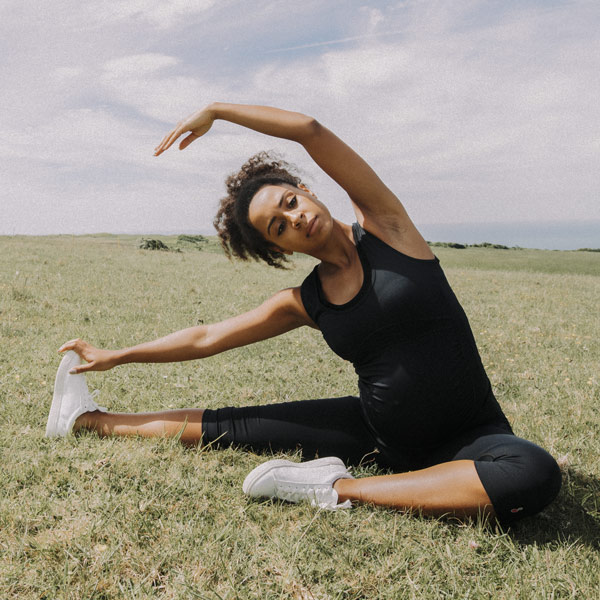
Studies show that healthy and fit pregnant women have easier childbirths. Yoga is especially helpful during pregnancy: it provides relief for body tension, helps with many aches and discomforts, leads to a deeper breathing capacity, focus, as well as peace of mind and helps to build a connection to the baby. Prenatal yoga also includes strengthening exercises for more stamina and energy, which are very helpful throughout pregnancy and labour. Besides all the physical benefits, regular pregnancy exercise also brightens your mood.
FittaMamma asked Sarah from the Keleya Pregnancy App to share her five simple tips for yoga in pregnancy.
- Start slowly: If you have never done yoga it’s best to start at the end of the first trimester. The hormonal changes you’ll experience in early pregnancy will change your physical being – but as you enter your second trimester you’ll probably have more energy to learn a new activity and yoga is a great source of relaxation.
- Forget performance principles: During pregnancy, it is no longer about ‘digging a bit deeper’ when you work out, or striving to stretch a little bit further. Instead, it is about wellbeing and general fitness. Be careful not to overstretch, as the hormone relaxin already makes the ligaments and joints softer.
- Listen to your intuition: Your body will let you know which activities are pleasant and when you need a break. If you feel any discomfort or dizziness, don’t go further – and feel free to use props.
- Take note of special conditions: Any pregnancy exercise should be adapated as your baby bump develops. Prolonged lying in the supine position, such as the final relaxation in your yoga session, is not suitable from about week 24 onwards as the combined weight of uterus, amniotic fluid and baby presses down on the important vena cava vein.
In the later stages, asanas such as the deep squat, can cause your baby to slip deeper into the pelvis, which is undesirable if your baby is not yet in the right birth-position and could cause contractions due to pressure on the cervix.
If you have any concerns about your health or the health of your baby you should always check with your midwife or doctor before you take up prenatal yoga. - Relaxation: Your body is doing an amazing job over the course of your pregnancy, which makes it even more important to factor in relaxation – especially after your yoga routine. Learn to let go and calm your mind. This is not only helpful for childbirth – the more relaxed you are the more relaxed is your baby. Stress hormones aren’t good for a growing baby and now you’re relaxing for two!
Try the reclined butterfly – a relaxing pose for your prenatal yoga routine
Benefits:- Creates space for your breath and the baby belly
- Relieves discomfort of the urinary tract and uterus
- Opens groin and hips and helps prevent sciatica
- Promotes blood circulation in the abdominal and pelvic area,
What to do
- Place two yoga blocks or firm pillows in a T-shape
- Pad the blocks with a folded nursing pillow and an extra small pillow for your head
- Take a seat so that your lower back touches the two ends of the folded nursing pillow
- Place the soles of your feet together and allow your legs to fall apart to the sides
- Place your hands next to your buttocks and ease yourself into position until your back is resting entirely on the nursing pillow and your neck is resting on the small pillow
- Place your arms out to the sides with your palms facing up or place your palms on your belly
- Close your eyes and inhale deeply into your abdomen
You may linger and relax in this pose as long as it feels comfortable to you. Getting up again takes place slowly in the reverse order.

Keleya is the go-to app for expectant mums. it offers you a personalised program for workouts with yoga and pilates, created from information you provide about your health, due date and symptoms. We’ll also provide you with healthy recipes based on your own tastes and an automated weekly newsletter with practical advice to help with the feelings and changes you may be experiencing in that particular pregnancy week.
We want you to feel fit and relaxed in your pregnancy. Within the app you’ll find healthy recipes and a big variety of yoga and fitness workouts, tailored to your needs. Here are our tips for working out during pregnancy:
Download now on the App Store
Download now on Google Play
Sarah Müggenburg, co founder of Keleya and mum of two has been a pre- & postnatal yoga teacher for over 13 years. Her experience of working with over a 1000 women throughout their pregnancies and after giving birth coupled with those of her own two pregnancies inspired her to develop the Keleya programme.
Issue 16
Fittamamma Magazine > Issue 16


