-
 Nicola
Motivate Your Fit Pregnancy and Prepare For Labour
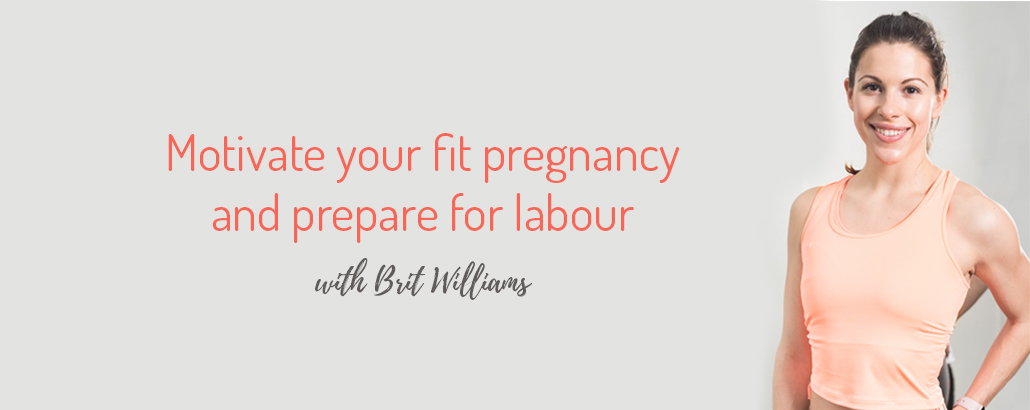
Brit Williams is one of London’s most sought-after personal trainers and feels passionately about motivating people to use exercise as a resource for an empowered life. While pregnant with her first child, Brit encountered endless conflicting advice about prenatal exercise. This experience struck Brit as confusing for women, particularly when hard scientific evidence has repeatedly confirmed that an active pregnancy results in a healthier mum and healthier baby both before and after childbirth.
Having trained throughout her pregnancy and enjoyed movement as a means of physical and mental preparation for labour and motherhood, Brit is determined to share her pregnancy-positive message and unique strength training programme with expectant mothers.
She shares her positive fit pregnancy tips and how to stay motivated to exercise during pregnancy with FittaMamma……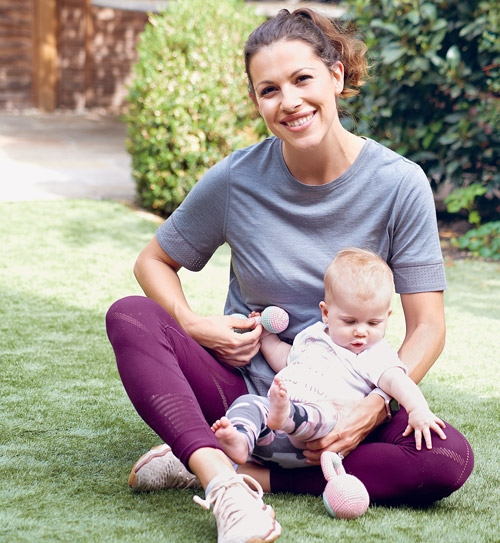
Staying motivated to exercise can be a challenge, especially during pregnancy, but Brit is passionate about why you should maintain your exercise routine during pregnancy. She says, ‘The science around pregnancy exercise is compelling: studies have shown that an active pregnancy can reduce maternal hypertension, support a shorter labour and improve lower back strength.
But when you’re pregnant there is a strong level of ‘selfless’ motivation – your fit pregnancy benefits your baby. It’s not just that you will be stronger to help support a stronger baby, exercise can aid fetal heart health and promote improved cognitive development. Studies at the University of Montreal have identified a positive link between active pregnancies and advanced neurodevelopment in newborns.’
Brit continued, ‘From the mothers perspective, pregnancy can be quite disorientating, there are so many changes happening but maintaining regular exercise brings back an element of control. I was really proud of my body as I progressed through pregnancy, it was doing all these incredible things, growing a baby and changing every day. Regular exercise supports the changes and helps you to feel positive rather than overwhelmed.
Joining a prenatal exercise class is also a great motivator and a way of forming a like-minded friendship group. A similar due date is not always enough to have in common – meeting other Mums who feel like you do about staying active in pregnancy is much more of a bond.’Brit continued to train her clients up until her 38th week, which meant she was training on 4- 6 days every week throughout her pregnancy. She adapted her workouts to include more rest time, dropping the size of her weights and reducing the range of her bodyweight workouts. ‘There were some exercises that I embraced with more excitement during pregnancy,’ said Brit, ‘especially with regard to adapting routines to maintain my core strength. There should be less fear and more info about connecting with your core!’
Brit took her positive mental attitude forward into labour too.
‘Hypnobirthing techniques and yoga both proved really valuable preparation for birth. I attended a weekend hypnobirthing workshop and rehearsed breathing and visualisation skills during exercise… supplementing with prenatal-safe yoga practice offered positive reinforcement, too
The training enabled me to truly inhabit my body, knowing when to find ease in my muscles and when to push. There’s a tendency to grip out of fear but relaxing and embracing the contractions overcomes this. I wrote my own mantras to support my focus and breathing during labour.’
Try Brit’s ‘Golden Thread’ breathing technique, a simple visualisation strategy to help with breath control during labour. As you inhale, visualise drawing a long golden thread from the pit of your stomach and then visualise that thread slowly fluttering through your lips as you exhale. Aim for a four second inhale and a seven second exhale – most contractions last around sixty seconds, so that’s just five or six breaths until you rest.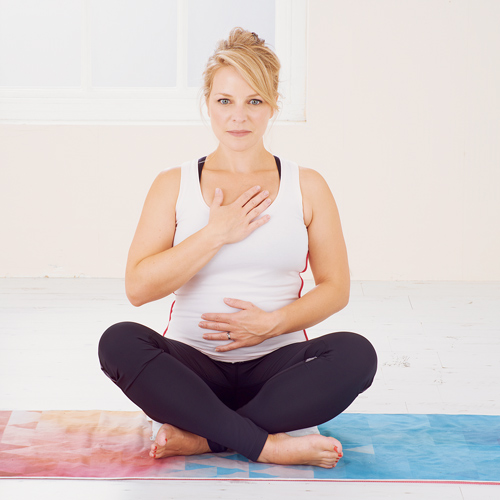

Win a copy of Mind, Body, Bump!
We have five copies of Brit’s book to give away. The book will take you through exactly what is happening at each stage of your pregnancy with month by month workouts, tips on mental wellbeing, sleep and nutrition as well as recipes specially prepared for balanced pregnancy nutrition.
For a chance of winning click on the ‘contact us’ page of the FittaMamma website and send us your contact details putting ‘Mind, Body, Bump’ in the subject box. The five lucky winners will be picked at random on April 30th!
Can’t wait?
Get Mind, Body, Bump for just £8.99 (usual price £16.99) – with this exclusive FittaMamma discount code from WHSmith.co.uk
Use the discount code: BUMP19 when you shop online. Product redeemable on: 9781781318584 This discount code is valid from midnight on 1st April 2019 until 11.59pm on 31st May 2019. This is not valid with any other product or offer and is only available online, not in store. Subject to availability.Enjoy a class with Brit for free
Brit will be hosting a prenatal exercise class and book signing at our pop up event on April 10th. Come and join us at 48 Mortimer Street – you’ll be able to try the FittaMamma Ultimate range for yourself too. Click here for more event information and to book your place! Limited availability.
-
 Nicola
Love Your Postnatal Pelvic Floor
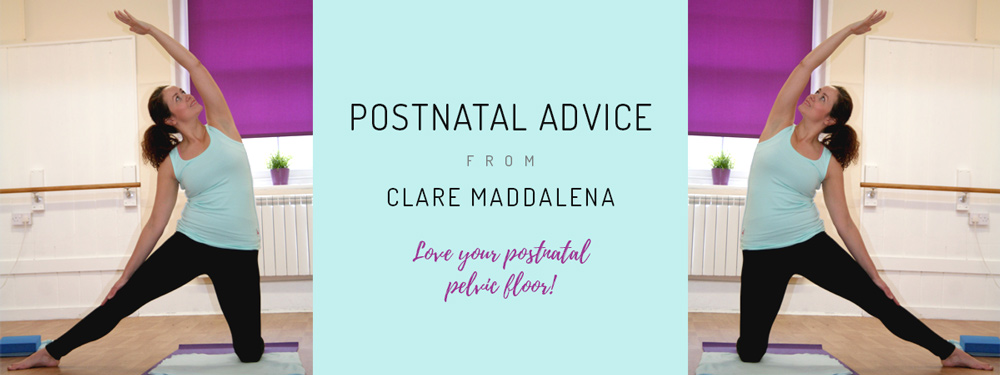
“How, when and what for exactly” does returning to exercise look like for most women after having a baby? The lovely Clare Maddalena from Lushtums shares her views and advice for postnatal exercise and caring for your pelvic floor
The usual recommendation for postnatal exercise is to wait for 6 weeks post birth if you had a vaginal birth and a whopping 8 weeks if you had a caesarian, but what if you reach these milestones and you’re still not ready?
Let’s face it. There’s a LOT of social pressure out there to be an idealistic super mum. How we look, our attributes, personality, career, how we birth our babies, feed them and then how quickly we get back in shape. It’s LOT to get right – and for most of us simply impossible.
Ok, stop!! Let’s go back to our original question around post birth exercise …that is “how, when and what for exactly” Let’s start with the easiest bit to answer.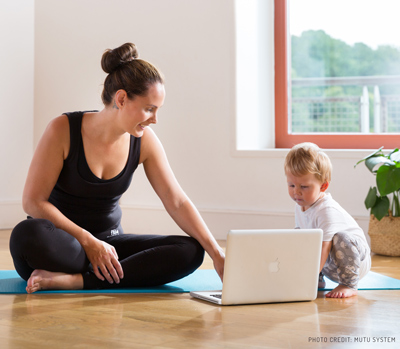
WHEN?
Whilst the standard recommendation to safely return to postnatal exercise is around 6 to 8 weeks, the true answer is if you don’t feel ready, give yourself a break! Managing your baby, lifting, stretching …all use up energy and burns up your calories. For many new mums, what’s needed is REST. Pop in moments each day to recharge. Make it part of your routine. Feeding for example should be a chance to sit quietly. Breathe deeply. Ground into wherever you are sitting in the moment (literally become aware of your feet on the ground and your back resting again the chair) and enjoy a very yogic practice of becoming present, becoming mindful. Just BE there. No phones, no distraction. Feeding your baby is the perfect time to develop an inner mindfulness practice, reducing stress and anxiety and helping towards your overall sense of well-being. Slow down and enjoy these moments.
Some of us however will want to return to exercise soon after we’ve had our babies. If you enjoy it, do it! Exercise releases endorphins and that lovely after-glow high, so if this contributes to your overall mental and emotional health (as well as of course physical fitness), go for it! Just be mindful of what we mention next…HOW?
So the early days of having a baby is a massive adjustment. But when you are ready, start your postnatal exercise routine by building your foundations first – especially those muscles that have taken most of the load of pregnancy. Yes! We’re talking pelvic floor muscles!
These are part of a group of muscles that provide our deepest core support. And when these are engaged and functioning we feel supported inside and out, helping us physically and contributing to a greater sense of general grounding and wellbeing.
Even just a week after giving birth, you should start finding these muscles again with some super gentle pelvic floor exercises.
Give this a go in a seated position (perhaps while feeding) or when you are resting. Start by exhaling (imagine you are blowing out a candle) and, after a couple of seconds, gently lift your pelvic floor in and up. It feels as if you are trying not to wee or break wind, and ideally you can also feel the walls of the vagina drawing together. Once you get to the end of the exhalation, and you’ve drawn these muscles in and up gently (only using about 3 out of 10 strength wise), then release, relax completely and inhale into a nice soft belly. Repeat. Be cautious, don’t rush to 10 out 10 strength wise, as you’ll actually by-pass the all important pelvic floor and go straight to your 6 pack. In the early stages, until you get this right, less is actually more.
Include several rounds of repetitions into your day. Working well? Now practice doing this breath and holding your pelvic floor to gently brace your core BEFORE you lift anything – whether it’s your baby or a bag of shopping. Remember this helpful mantra, “Lift on the inside first, then lift on the outside”. You can even start to maintain your ‘exhale – and squeeze’ while pushing the buggy out on a walk. Just build it into your normal day and rhythm.
Regular practice before lifting anything or when out walking, will help restore your pelvic floor and your inner core (transverse abs too, so you may feel your tummy gently drawing in) and help prevent much more serious issues such as incontinence and even prolapse.
You should be 100% sure you have regained connection, control and then automatic function of your deep core (including your pelvic floor and transverse abs) and probably worked a bit on your glutes too), before returning to your regular pre-birth activities.
Some of us will get there sooner than others and if you did lots of activity before, your recovery is likely to be quicker. But I truly believe you need to spend the time doing this inner practice to lay the correct foundations.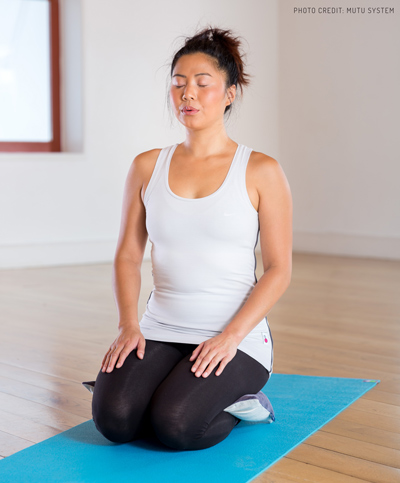
WHY?
Well simply put, I have worked with so many women who launched back into their old fitness routine and, while they are fit and strong on the ‘outside’ of their bodies, have totally missed the ‘inner’ work.
I often see fit, active women who, instead of building the foundations first, have gone straight for the walls and the roof: with no supportive foundations to take their load and hold their bodies up, they struggle with incontinence or still have separated tummy muscles long after they’ve given birth.
Running, jumping, sit ups, crunches, planks or squats – all create extra load and extra pressure downward. Only once your deep inner muscles are working appropriately to take that weight and support is it advisable to start a stronger form of exercise.
So the mantra is return to exercise as soon as you feel you comfortably can – the earlier you do, the better it is but get this ground work in first. Then progress with caution, back to a more regular exercise routine.
And lastly, we answer the WHAT FOR EXACTLY part of the question. You are doing this for YOU! No one else. Not for the comparison with celebrities, or even your former pre-baby self. But for YOU. The bit of you that knows deep down she needs to honour herself and her body.
Eat well, MOVE WELL and remember to REST well. It all goes into the mix of helping us feel more whole and complete.And one final note:
If you’re struggling with prolapse or incontinence, persisting beyond working on your core with these exercises or from attending specialist classes such as postnatal yoga, exercise or Pilates then consult your local Women’s Health experts/physiotherapists/osteopaths. It’s not taboo – loads of women suffer with this – so speak out and go get help! -
 Nicola
Pregnancy Exercise Tips From An Olympian

Amy Williams won Britain’s first solo Winter Olympics gold medal for 30 years with victory in the women’s skeleton. Her performance in the Vancouver Olympics projected her into the public view overnight: she was awarded an MBE in the Queen’s Honours list and became the first ever female Freeman of the City of Bath.
Since retiring as an athlete she has appeared on many TV shows, including BBC Sport, Ski Sunday and The Gadget Shows.
Already a mum to Oscar (nearly two) Amy is expecting her second baby in June. Her career left her with many injuries, including damaged discs in her lower back and issues with her knees. A real inspirational FittaMamma, she shares her pregnancy exercise ups and downs.This is your second pregnancy – did you exercise first time round?
‘I exercised throughout my whole first pregnancy. I suffered from pregnancy nausea in the first three months but it wasn’t too bad, and I continued to run several times a week. Around twenty-four weeks pregnant I slowed this down to regular walking as I was really feeling the pressure on my bladder!
My yoga studio is about 2.5 miles from my home but I walked to a yoga class every day – and back! My choice was to carry on with a normal yoga class, adapting a few moves for the baby bump, rather than choosing a specific prenatal yoga class. I also maintained regular sessions on a watt bike, and my own circuit and HITT style sessions at home.
Yoga was a massive help mentally to prepare for birth, I had read up a lot on hypnobirthing and so the breathing and visualisation really helped me remain calm and positive about the birth. In reality I had to be induced and the birth was complicated but I felt physically and mentally prepared for labour’.
How did your injuries impact on your pregnancy and your current pregnancy exercise routine?
‘I’ve become very good at reading my body – I know how it feels, what I need to do to keep my body ticking over and how best to manage my old injuries. Looking after a very energetic toddler keeps me on my toes daily and can be exercise in itself!
However, I do try and do about 3 HIIT sessions a week, bringing Oscar with me, but I’m only managing yoga 1-2 times a month. This pregnancy has been very different as I’ve spent the first 5 months suffering from dizziness, nausea and illness so my pregnancy exercise routine has been greatly reduced compared to the first time around.
I’ve also put a lot of energy into studying as a Personal Trainer and am delighted to have achieved my PT Qualifications! I’m looking forward to setting up my own home gym and taking on clients.’
What does your pregnancy exercise routine look like? Is it an ‘Olympic’ routine or one any Mamma-to-be could emulate?
‘Exercise is really important to me but my routine could easily be followed by other Mammas-to-be! I walk as much as possible each day and try to fit in regular HIIT or body circuit sessions, aiming for at least three times a week. These last between 15 -45 minutes – if you don’t have time for a longer session it’s better to try and fit in a few 15 minute workouts. Stretching is really important too, and I like to include yoga when I have childcare available but attending a regular class has been much more difficult now I have Oscar to look after.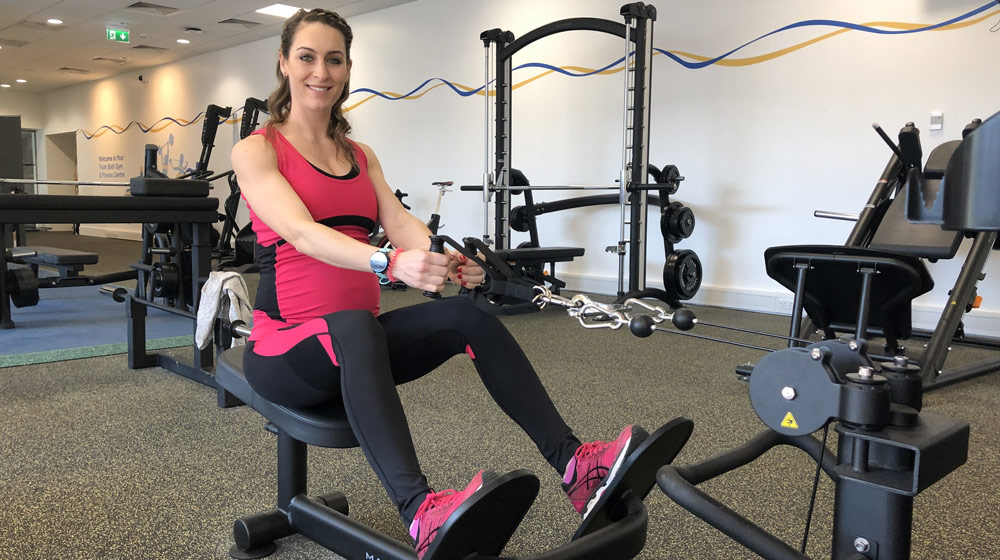
Do you have any advice on maintaining your pregnancy exercise routine whilst managing a toddler?
‘It’s definitely much more difficult, you have to set realistic targets and goals! In Bath there aren’t any gyms with childcare which makes it a lot harder to keep fit with a toddler, so I tend to work out more at home. My recommendation is to lay out a mat and have it ready so you can do whatever you can manage when you have the opportunity, either with a baby next to you, a toddler crawling over you or try and include them in your workout.
I find trying to do a small 10-20min pregnancy workout sessions several times a day is better than aiming for an hour of uninterrupted exercise, which is hard to achieve with a toddler!
I’ve also tried to include an occasional buggy run which is another great way of staying fit with a toddler. I do have to say though, that’s been much harder with this pregnancy as I’ve struggled more with illness. And it’s pretty tough pushing a 15kg toddler up and around the hills of Bath!
My recommendation for pregnancy exercise second time around is aim for little and often!’
And your postnatal workouts after your first baby?
After Oscar was born I really didn’t push my body back into shape for at least 3-4 months. I had a lot of recovery and healing to do and I wanted my body to be strong to look after him. I only felt “myself” again at about 11-12 months post birth. My advice is ‘don’t rush things’.
Are there days when you simply don’t feel like heading to the gym? Could you share your tips for staying motivated to exercise during pregnancy?
Yes! For sure, like everyone exercise is sometimes at the bottom of the list of the things to do that day or week. I’m self-employed as well as being a full time mummy to Oscar – I’ve also been studying for the last 6 months doing my Personal Trainer qualifications, so along with being pregnant there’s a lot to fit in!
It’s hard to not feel guilty, upset or be hard on yourself and your body if you don’t feel like exercising, but sometimes we have to let things go and not be quite in the best shape we want to be. There are always highs and lows of motivation, and fitness levels, especially when you’re pregnant!Any tips re eating? Have you suffered from morning sickness?
Yes! I’ve suffered from all day sickness on and off for 5 months. This pregnancy I’ve just wanted plain carbs, toast, pasta, potatoes, all the things I wouldn’t normally eat! Sadly my favourite fruits, veg and salads just haven’t been on my menu!!
My recommendation is to eat little and often and always carry water and a snack in your bag.

Thanks Amy ….and you look awesome in your FittaMamma Ultimate gymwear!
-
 Nicola
10 Superfoods For Pregnancy

You’re eating for two …which doesn’t mean eating twice as much, it means choosing a well-balanced, healthy and nutritious pregnancy diet that will benefit you and your baby. Eating well during pregnancy doesn’t mean you need to seek out unusual ingredients to boost your baby’s brainpower ….there are plenty of easily obtained, inexpensive ‘superfoods for pregnancy’ that you’re probably eating already!
Check out our top ten, readily available superfoods!
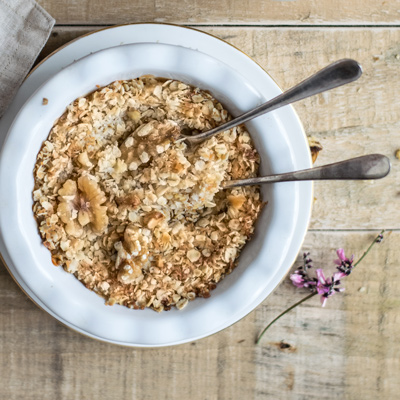
OATS
Warming and satisfying, oats are like a hug for your pregnant tummy! They are one of the best grains to keep your heart and arteries healthy, helping to maintain circulation and reduce blood pressure during pregnancy. With a low GI they are also a good source of vitamins and minerals including B vitamins, vitamin E, magnesium, calcium and iron.
EGGS
Don’t overlook the humble egg in your quest for pregnancy superfoods! Ideally packaged to support new life they contain a raft of essential pregnancy nutrients including iron, zinc, B vitamins, vitamins A and D as well as omega-3 fats. Eggs are also a source of vitamins K and D which work together to create strong, healthy bones. They are quick and easy to prepare in a wide variety of dishes, perfect when you need an instant meal.
PEPPERS
Remember that rainbow of colours for your superfood pregnancy diet? Peppers are especially rich in Vitamin C with a single serving providing more than your recommended daily intake – choose red and orange peppers for extra Vitamin B6 and essential carotenes. The carotenes in peppers are easier to absorb if the peppers are cooked and eaten with a little olive oil.
MILK
Here’s another readily available superfood for pregnancy that you might disregard, especially when there are so many milk alternatives. Unless you have an intolerance to dairy products, remember that a simple glass of milk is packed with valuable nutrients for pregnant mums and is one of the best sources of calcium. Calcium is essential during pregnancy to help your baby build healthy bones and teeth and to ensure your own supplies of calcium aren’t depleted – it’s also vital for muscle, heart and nerve function.
Choose organic milk for an increased level of essential omega-3 fats and to avoid the intake of hormones and antibiotics frequently added to the feed on non-organic farms.
SALMON
A major source of essential fish oils, the omega-3 in salmon will boost your baby’s brain development – it will also help protect against high blood pressure, depression and is good for your skin. We can’t promise that it will prevent pregnancy stretch marks but it’s likely to help! Salmon is also an excellent source of selenium, protein, niacin, Vitamin B12, magnesium and Vitamin B6.
Farmed salmon is more fatty than wild but more importantly it’s better to go for light poaching or grilling when you cook it – overcooking can oxidise the essential fats.CABBAGE
Packed with essential pregnancy nutrients, the humble cabbage is often spurned in favour of other more insta-friendly veg. Don’t over-cook it, go for stir-fry, steamed or shredded into salad but don’t overlook it either! Cabbage is rich in Vitamin C and calcium, folate, fibre and minerals – it’s also a useful source of Vitamin K, B vitamins and iron.
Chilled cabbage leaves will help soothe engorged breasts when you’re breast feeding.MANGOES
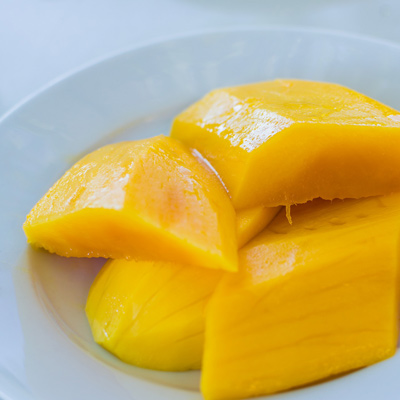
Readily available on the supermarket shelves, mangoes contain more antioxidant beta-carotene than other fruits (the orange flesh is a giveaway!) and are exceptionally high in essential Vitamin C. They are also rich in potassium which is necessary for regulating your pregnancy blood pressure.
An enzyme found in mangoes can be a soothing digestive aid, which makes them ideal the ideal superfood choice if you are suffering from pregnancy heartburn.LENTILS
Lentils are one of the few pulses that don’t need soaking before you cook them and can be added to soups and stews for added iron and fibre – they combine both soluble and insoluble fibre for a double whammy of digestive goodness. Iron-rich, lentils are also high in zinc, useful in pregnancy to boost your immune system and build up your baby’s immune system too!
COCONUT WATER
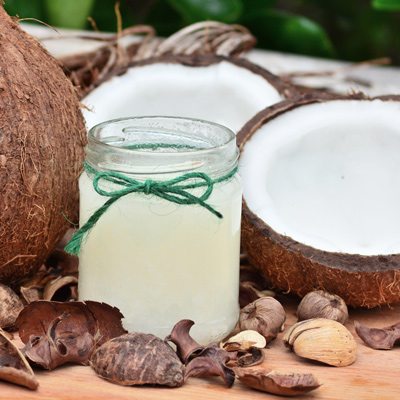
Coconut water is the clear liquid that you find in a young coconut – not to be confused with coconut milk. Drink it chilled on its own or add it to a smoothie – it is the ideal superfood drink to rehydrate after your pregnancy workout or exercise as it is a natural isotonic drink, readily absorbed by your body. Unlike many manufactured sports drinks, it is low in calories and contains a raft of essential minerals including calcium, magnesium, potassium and sodium.
GINGER
Historically ginger has long had a reputation as a healthy food: aside from its anti-cancer properties, it is a powerful anti-inflammatory and may also ease migraines. As a pregnancy superfood it is a fantastic remedy for nausea and morning sickness.
Buy fresh ginger root and use it flavour stir fry vegetables, chicken and fish dishes or to make crispy ginger biscuits to nibble. Make a soothing and delicious ginger drink by combining freshly grated ginger with lemon juice, honey and hot water.
Issue 21
Fittamamma Magazine > Issue 21


