-
 Nicola
Pregnant Acrobats
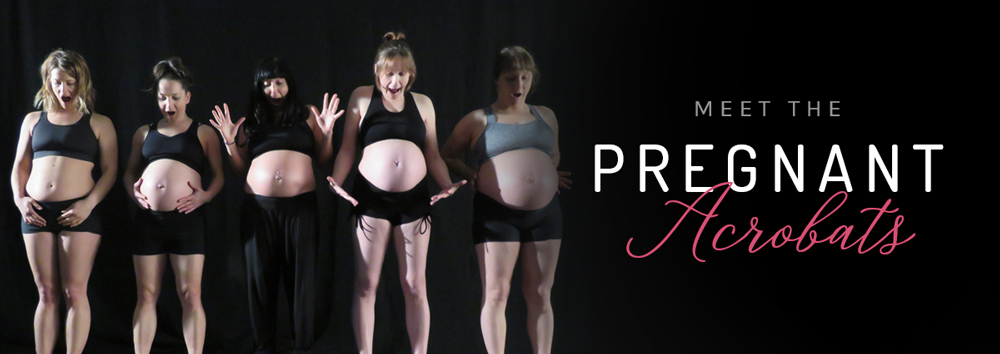
Most pregnant women stick to running, gym workouts or pregnancy exercise classes. Meet Mimbre, an all-female acrobatic theatre company based in Hackney, London who celebrated their pregnancies with a beautiful and unusual acrobatic performance.
Mimbre have been challenging stereotypes with their acro-balance performances since 1998, creating a positive female image of strength and agility. In contrast to the more usual acrobatic performance, with a big man lifting a tiny woman, the performers in Mimbre are all women of a similar size, working together in impressive choreographed performance.
Co-founder Silvia Fratelli says: ‘As an all-female company we have to deal with women’s bodies all the time ….with all its issues and marvels. As part of this we also had to sometimes deal with pregnancies. We have learnt a lot in the last few years and we all had different experiences as pregnant performers: extreme sickness, aches and pains, tiredness as well as lots of renewed energy. We wanted to explore how to treat the very delicate and powerful time of pregnancy as physical performers
The idea of creating a short film started during the pregnancy of my second child. I felt that as a professional acrobat this was an important and rare moment to capture. I wanted to celebrate this and get other circus performers involved to share their experiences too.
I was continuing to train during my pregnancy and thought that a film capturing the bump in motion would send a positive message to all women who feel confident about moving during pregnancy but get subjected to criticism and judgement. Remarkably a call out amongst the circus community produced a cast of five willing pregnant acrobats.’
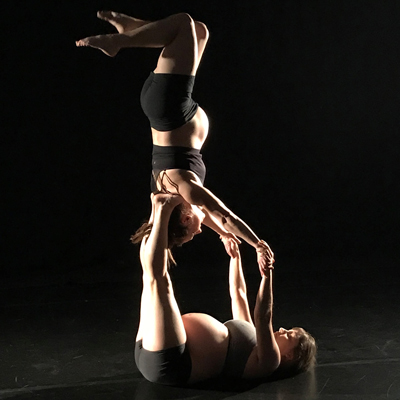
Silvia and her pregnant colleague Rebecka had previously worked together so were very familiar with each other and the moves they felt they could perform safely. Silvia continued ‘In general we spend lots of hours together training (especially with the acro-balance technique, which is about creating human pyramids with two or more bodies), so the level of trust is built gradually and steadily. Even though I was heavily pregnant I was very comfortable about being on Rebecka’s shoulders as I had done it many times in the past.’Silvia makes handstands during pregnancy sound perfectly straightforward, saying ‘It’s about re-adjusting your balance with the added weight and change of centre of gravity’.* Nevertheless she admits there were some moves they thought they could do but felt they were being too optimistic….so simply didn’t film them and kept to the safe ones.
Most of the performers were well into their third trimester when the film was made and had experienced very differing pregnancies. They executed a series of solo skills (aerial silks, handstands and hip hop dance), so they were in control of what they thought was safe for them to perform.
Despite the fact that they are clearly fit, strong and exceptionally well-tuned into their own bodies and capabilities as performers, their training elicited a lot of comment and judgement, varying from sideways glances in the gym and expressions of concern for their safety to people openly telling them that acrobatics and physical activity was unsafe or not the best choice for their unborn baby.
Silvia says, ‘In a way I understand that it might be uncomfortable for some to watch pregnant women doing acrobatics, but I just think that happens because it doesn’t get seen enough, so social expectations and ‘rules’ start to kick in…as acrobats we’re used to training regularly and I do completely trust that during pregnancy we’re totally capable to make a call for what’s safe.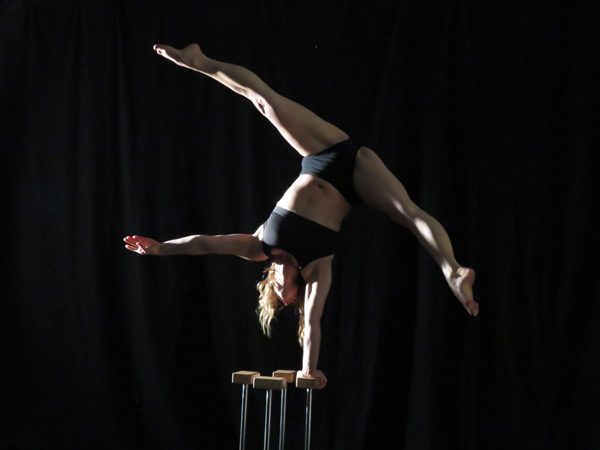
I also feel that not enough doctors, physios and body practitioners know and understand enough about pregnancies and physical activity (especially when the physical activity is quite unusual). More research and training on that would be great for the future!
Whilst we understand and respect that sometimes some people might not feel like or they might not be able to move during pregnancy, we also want to acknowledge that we know our bodies very well and we’re able to decide if and when we feel happy and safe about moving and doing what we love – it’s actually very beneficial to both mother and baby!’
It was a great day filming BUMP, surrounded by mostly heavily pregnant women and sharing a lot of experiences about how our bodies felt, how tired we were but also excited at the thought of soon meeting our babies! And of course talking a lot about social expectations…very empowering indeed!’
The film captures the beauty of the pregnant body and the bump in motion and shows that fragility and strength can happily coexist.ENJOY!
*FittaMamma Tip: We would only recommend handstands during pregnancy if they are part of your everyday routine pre-pregnancy – and then only with caution!
Silvia, who was a competitive gymnast when she was growing up in Italy co-founded Mimbre with Lina Johansson and Emma Norin in 1998. They trained at what is now called the National Centre for Circus Arts, supported by their Cuban coach Vicente Moreno. The trio spend 3 months training on Havana, Cuba after finishing their course in London. They now work with a wide pool of female performers.
Check out their tour dates at http://mimbre.co.uk/portfolio_page/tour-2019/
Photos by Anna Strickland -
 Nicola
Pregnancy Stretch Marks

A staggering 8 out of 10 women will get stretch marks during pregnancy. They are an everyday problem, affecting all skin types, developing on thighs, breasts and most commonly on the tummy. We asked our friends at Secret Saviours to tell us why they occur and how you can help prevent them.
How Stretch Marks Form
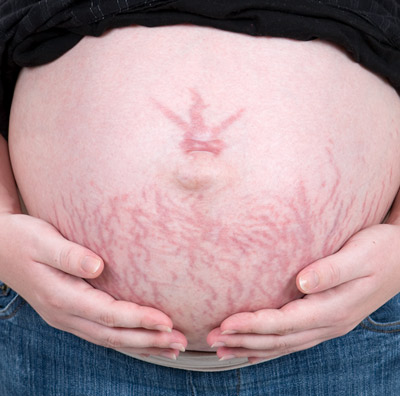
During pregnancy, hormones soften fibres in the skin in preparation for labour, making it more susceptible to tears as the skin stretches. Think of a windscreen splitting downwards after a small crack appears from a flyaway stone. Stretch marks form in a similar way. A small red micro-tear will appear in the skin and then, already weakened, the skin will eventually tear in a straight line downwards, at right angles to the body’s natural skin lines (known as Langer’s lines).
These tears appear as red lines that fade slowly after childbirth to leave pale, silvery lines on the skin. They never disappear completely and can cause deep physical and emotional issues. Even with today’s body positive attitude to skin imperfections and celebrating your ‘tiger stripes’, many women find it difficult to come to terms with a tummy full of stretch marks.
Creams, oils and gels might help, but don’t actually prevent stretch marks
Unfortunately, once formed, there is little that can be done to remove pregnancy stretch marks. The internationally renowned Cochrane Report on stretch marks, as well as the British Journal of Dermatology, both agreed that creams, oils and gels don’t work.
Dr Justine Kluk, consultant dermatologist from London, believes brands need to be more honest about what topical treatments can achieve: “Creams can potentially make the skin feel smoother and plumper in the short term, but if they’re not actively going to reduce or eliminate stretch marks in the long run, and science seems to say that they won’t, then consumers should be made aware of this.”Secret Saviours have developed an innovative system, invented by scientists and clinically proven to make a significant difference to your skin.

This product is a simple three-step Stretch Mark Prevention System from Secret Saviours, consisting of a Bump Band, Day Gel and Night Cream. When worn daily throughout pregnancy the revolutionary Bump Band secretly gets on with the job of preventing stretch marks, whilst mums-to-be get on with the job of growing their baby.
How does Secret Saviours Work?
The Bump Band is printed with specially arranged pads which gently grip the skin, equalising tension across the tummy, preventing small micro-tears from forming. The pads are deliberately arranged in an irregular pattern so if a micro-tear does appear, it can’t easily rip downwards as its path is blocked by the pads.
The Bump Band is comfy and safe to wear and is accompanied by the slightly tacky Secret Saviours Day Gel, which holds the pads in place, and the Secret Saviours Night Cream which deeply moisturises the skin at night, leaving it soft and supple.
In independent trials Secret Saviours saved 82% of women from getting stretch marks. And with growing evidence that creams, gels and oils simply cannot prevent the skin tearing, this is a product you’d be mad not to invest in.
FittaMamma customers can enjoy an exclusive offer of 15% off Stretch Mark Prevention Kits until the end of August. Just head to secretsaviours.com and enter FITTA15 at checkout. Team your Secret Saviours Bump Band with supportive FittaMamma activewear for maximum benefit.
-
 Nicola
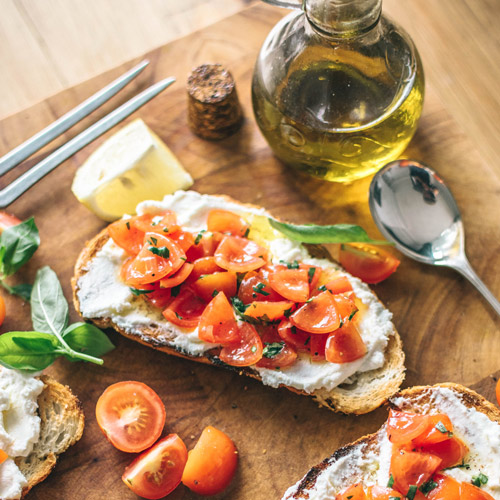
Enjoy a taste of the Mediterranean during pregnancy

Mediterranean-style eating isn’t just for holidays, there are many benefits to a diet rich in fresh fruit and veggies, crispy green salads, olive oil and plenty of fish – especially for pregnant women! Enjoy your favourite sun-drenched foods in your pregnancy diet all year round.
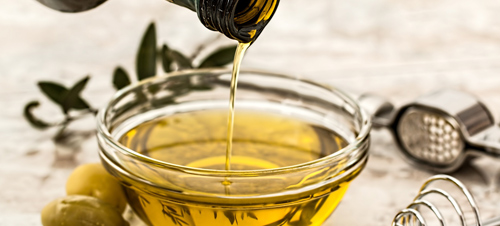
Olive oil
Olive oil is rich in essential Omega-3, crucial for producing a healthy nervous and immune system for your baby; it also contains a generous amount of Vitamin A which is linked to better vision and healthy eyes. Olive oil also has an abundance of Vitamin E, which is especially valuable during breast feeding – ensuring you have sufficient supplies of Vitamin E will benefit your newborn, boosting healthy kidney and pancreatic function.
Use olive oil on your skin as well – women have been using it for centuries to help keep their skin supple.Tomatoes
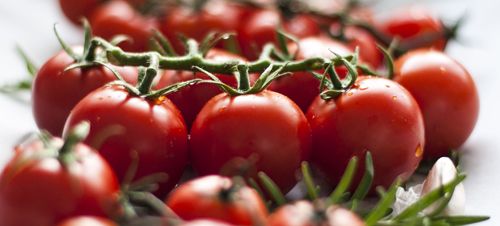
Big juicy flavour-filled tomatoes are key to many Mediterranean dishes – delicious, readily available and just as good cooked as they are raw, tomatoes are ideal to include in your holiday-influenced pregnancy menus. Tomatoes are a fantastic source of essential Vitamin C and are also rich lycopene, an antioxidant that protects against cell damage – research has shown that including plenty of lycopene your pregnancy diet can reduce the risk of pre-eclampsia.

Peppers
Red peppers are packed with beta-carotene which converts in your body to Vitamin A, essential for your baby as it encourages the healthy development of eyes, bones, skin and organs. Perfect raw in salads and dips, try stuffing the handy space inside a pepper to create a complete meal. Long, sweet pointy peppers are delicious filled with olives, baby tomatoes and either crumbled feta cheese or slices of halloumi – simply sprinkle them with olive oil and a scattering of herbs and roast them in the oven until the peppers are soft and the cheese has melted.
Fresh fish
You should aim to eat at least two portions of fish each week as part of your healthy pregnancy diet – and ideally at least one portion should be oily fish to enjoy the benefits of all those essential Omega-3 fatty acids. Research has shown that some fish, including tuna, can also include high levels of pollutants – however, the health benefits of oily fish during pregnancy outweigh the downsides, so don’t avoid it altogether, just limit your intake to two portions a week. The NHS recommend pregnant women should avoid swordfish, shark, marlin and shellfish – but there’s no reason not to tuck into as much white fish (such as cod, haddock, plaice or skate) as you fancy!
Keep the Mediterranean theme going with fish cooked in plenty of freshly chopped herbs.
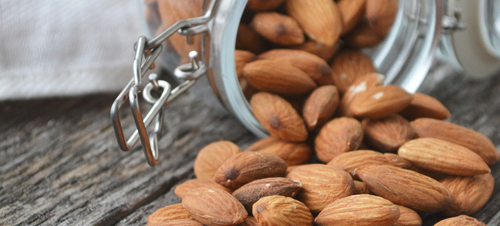
Eat plenty of nuts
Nuts often feature in Mediterranean dishes and they’re a fantastic source of nutrients for pregnant women. Walnuts have more omega-3 fatty acids, especially alpha-linolenic acids than other nuts – eat plenty of them! Crushed walnuts with rich, creamy yogurt and a spoonful of honey makes a delicious and easy dessert often served in Greek restaurants. Almonds are a great source of fibre and protein, containing a whole range of essential pregnancy nutrients such as Vitamin E, selenium, zinc, calcium, magnesium and B vitamin, including folate and vitamin B7 – perfect for nutritious pregnancy snacking.Sadly, that other mainstay of Mediterranean meals – a bottle of local wine to wash down the salads and the bowls of olives is off limits. But hey, fresh chilled water with a slice of lemon and a sprig of fresh mint is a great substitute!
-
 Nicola
Is your support network supporting your active pregnancy?
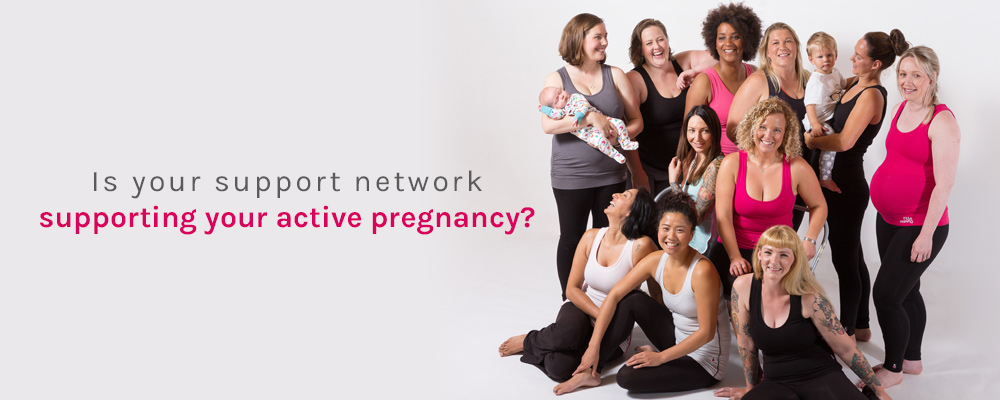
Are your partner, family, friends and professionals fully on board with your decision to stay fit during your pregnancy?
Women have often told us they’d like to exercise during pregnancy but their partner is concerned that exercise might damage ‘his baby’ and would prefer them to ‘take it easy’. Or that they’ve been discouraged from using the gym because the instructor is anxious about insurance risks if a pregnant women is using the equipment. Sometimes it’s friends and family who make negative and generally ill-informed comments, surprised that anyone should choose to exercise throughout their pregnancy.
Here’s the reassurance you need to make sure your support network supports you!
Is your partner anxious about the baby ‘bouncing around’ during vigorous exercise?
Research undertaken on fetal response to maternal exercise showed no negative outcomes for the baby, only the positive benefit of increased blood flow via the umbilical cord. Despite the movement of your bump during exercise, your baby is unlikely to change position. If you or your partner are concerned, the easy answer to minimise bump movement is to hold it securely with appropriate supportive maternity exercise wear.
Have people expressed concerns about ‘protecting your baby’ during exercise and the ‘risks’ you’re taking?
Of course it’s important to exercise safely and we don’t recommend contact sports or exercise where there is an increased risk of falling and injuring yourself – and if weight lifting is your preference, modify your routine as necessary to avoid any risk of weights falling on your abdomen.
However…. Mother Nature is already taking the protection of your baby seriously. Your baby is safely tucked up behind the thickened wall of your uterus and rocked gently in amniotic fluid and with the added cushion of your placenta. Not to mention your own bone structure providing a strong and safe environment for your baby.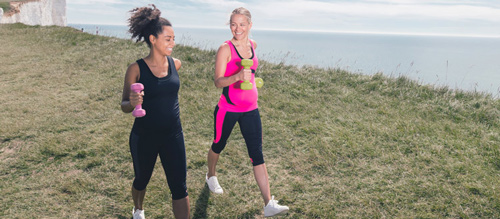
Has your instructor expressed concern about you using gym equipment?
Sounds like it’s time for them to improve their training and understanding – not time for you to leave the gym! Remind them that women who give up exercise during pregnancy are less likely to head back to the gym after pregnancy and statistically they might lose you as a client for up to FOUR years. Point them in the direction of REPs who offer a full programme of training for fitness instructors, including pre and postnatal fitness training courses.Is your health professional worried about your exercise programme?
Are they worried about your health or the health of your baby? In which case of course you must take their advice. Or are they simply telling you vaguely that you should ‘take it easy? In which case you should recognise what ‘take it easy’ means for you. If you regularly run marathons, ‘taking it easy’ might mean slowing down to a half marathon, easing up to 10kms or recognising that speed and time has no importance during pregnancy. If you lift weights, ‘taking it easy’ will mean lighter weights and more repetitions, not ditching the gym in favour of the couch.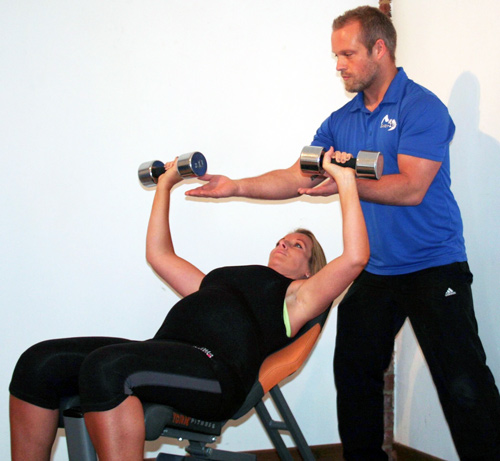
Are your friends and family querying your decision to exercise during pregnancy?
Many women are undermined by negative comments about pregnancy exercise – which is why we launched the ‘Pregnant Not Powerless’ campaign. FittaMamma is determined to support women in their decision to stay active during pregnancy. Our range of motivational maternity exercise vests are designed for you to wear with pride! Flaunt your active pregnancy, don’t be deterred by naysayers!
Don’t lose sight of the fact that exercise is good for you and good for your baby!
Exercise improves your strength, stamina and flexibility – it raises your mood as well as your heartbeat and helps you to sleep better at night. Your pregnancy exercise routine is preparing you for labour and will boost your recovery period afterwards, giving you the strength you need to look after your baby. Women who exercise throughout their pregnancy are less likely to suffer from discomforts such as backache and varicose veins. And babies born to Mammas who exercise develop faster, are less chubby at birth and more likely to develop an exercise habit themselves as they grow older.Keep up the good work – and don’t ditch your trainers in favour of slippers!!
Issue 24
Fittamamma Magazine > Issue 24


