-
 Nicola
Why Is Iodine Important During Pregnancy?

Why is iodine important during pregnancy? And how can seaweed help?
Iodine is an essential nutrient required throughout life – but did you know why it’s so important to include in your pregnancy diet?
Firstly, iodine has to be obtained through diet: during pregnancy you’re likely to need even more iodine to account for the additional requirements of both mother and baby*.
Iodine is essential for normal foetal development, especially for your babies developing brain. It’s continuously required following pregnancy, during breast feeding and throughout childhood to ensure optimal brain development. Evidence has shown that deficiencies in iodine can impact on cognitive health and development as your child develops.
And for adults – including expectant mothers – a diet lacking in iodine can affect the overall function of your thyroid. An underactive thyroid can result in a lowered metabolic rate along with several other possible health issues, including tiredness, brittle hair and nails, a poor memory and possible weight gain.Research has shown that many pregnant women are iodine deficient – and it has an impact on their babies
One of the major findings to come out of current scientific research is the effect that iodine deficiency has on foetal and early childhood brain development. The research suggests that iodine deficiency results in a lower IQ.
In fact, the UK currently ranks seventh among the ten most iodine-deficient nations in the world, one of only two high-income countries on the list. A recent UK study of 1040 mothers found that 62% were deficient in iodine and those within this category had a higher chance that their children were in the bottom 25% of IQ test results.
A study conducted in Norway, found that low iodine levels (below 100μg/L) in mothers during pregnancy were associated with lower language skills in children up to 18 months of age. 28% of the 851 mothers who participated in the study were classified as having severe iodine deficiency.How much iodine do you need during pregnancy?
The European Food Safety Association (EFSA) recommends an intake of 150μg of iodine per day. EFSA and the World Health Organisation recommends consuming a further 50-100μg for those who are pregnant and lactating. And, if you’re trying for a baby, you should try and consume adequate iodine regularly before conception.
Not getting enough? Eat more seaweed!
Seaweed is naturally rich in iodine and in fact the only naturally good vegan source of iodine. Humans have consumed seaweed for millennia as a readily available and nutrient dense source of incredible and essential nutrition.
Most seaweeds are actually edible but harvesting your own seaweed, recognising the optimum iodine-rich seaweeds for cooking, ensuring it comes from a wholly pollutant-free beach and preparing it for consumption is likely to be challenging for most of us.
To make it easy for you to add more seaweed to your diet and increase your levels of essential iodine during your pregnancy, we’ve partnered with Seaweed & Co who produce a range of seaweed based products including ‘Weed & Wonderful’ seaweed capsules which are safe and ideal for pregnant women. Created from Ascophyllum nodosum, every batch of capsules is measured and recorded to ensure consistent natural levels of iodine.
Try it for yourself…
WIN A SPECIAL PACK OF SEAWEED & CO PRODUCTS WORTH NEARLY £50!
To enter, email support@fittamamma.com with the subject line ‘SEAWEED FOR MY PREGNANCY’
For a chance to win, you must enter before 31st March 2020. The lucky winner will be contacted by email.SHOP HERE.
The NHS have stated that, in reference to an economic modelling study, they predicted that by giving iodine supplements to pregnant women would not only save the NHS money but it would also benefit the infant – and society as a whole – due to the implications of having a higher IQ**
Wow – make sure you get your iodine intake Mammas!
About Seaweed & Co
Seaweed & Co, was founded by marine biologist Dr Craig Rose. Their Organic and Kosher certified seaweeds are supplied into the food, health and nutrition markets. Their seaweeds are sustainably wild harvested, naturally rich in iodine, uniquely DNA Authenticated for world class analytical traceability, and extensively batch tested and accredited for safety and quality.
Click here to visit their website.
Click here to shop online.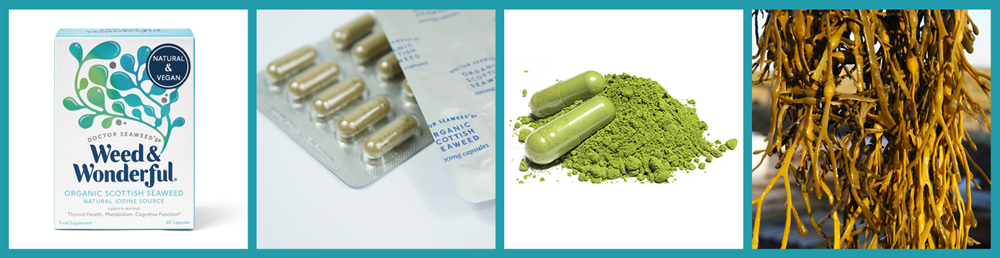
*This is supported by the World Health Organisation (WHO).
**National Health Service (NHS) (2015), https://www.nhs.uk/news/pregnancy-and-child/iodine-supplements-could-help-mums-babies-and-the-economy. [date accessed: Jan 2020] -
 Nicola
Pregnant Runner Jo Shares Her Running Achievements

Inspirational FittaMamma Jo Johnston has continued to take part in regular running races, despite being pregnant for the third time. Jo, who ran a marathon when pregnant with her second child was determined not to give up running when she discovered she was pregnant again.
We asked Jo to tell us more about how she became motivated to run and continued to run during pregnancy.How did you get started with running?
I started around six years ago, when one of my work colleagues had the bright idea that we should all do the Manchester 10k in the Spring! Several of us signed up as a bit of a challenge. I remember one cold February day when I started training and couldn’t believe how hard I found it! Despite being fairly slim and active I really struggled with the first session, which was basically run for two minutes, walk for one minute and repeat just five times!
Doing a 10k run seemed a massive leap and I doubted I’d ever get there, but I struggled on and built up slowly.
When the big day came most of the others had given up on the idea but I was determined and I loved the whole experience. I finished in about 58 minutes, delighted to come in at just under the hour. I immediately decided to build up to a half marathon and approximately one year after that first race I was taking part in the Paris marathon! I’ve now done ten marathons in total, some in the UK and others in Europe.
Tell us a bit more about some of the races you have experienced as a pregnant runner
My most memorable pregnancy running race would be the Manchester marathon. My first daughter was born in November and I decided to sign up for the marathon for the following April as an incentive to get in shape and get fit post pregnancy. However, in the January I was a bit surprised to discover I was pregnant again! I hadn’t had any symptoms as such and had already reached 20 miles in training so I was keen to carry on and complete the race if possible.
I sought the advice of my GP who advised that as an experienced marathon runner it would be ok for me to continue to run during pregnancy, provided I didn’t push myself too hard in either training or the race.
I loved the race itself and lots of my friends came out to support me! I was about 19 weeks pregnant at the time and really pleased to finish, though it took almost 5 hours!
During my current pregnancy I have completed two half marathons (at 16 and 22 weeks pregnant ) and am hoping to complete a further half marathon at 30 weeks.
I am finding the races a bit harder to run during pregnancy but I guess it’s not that surprising given all the bodily changes and extra weight!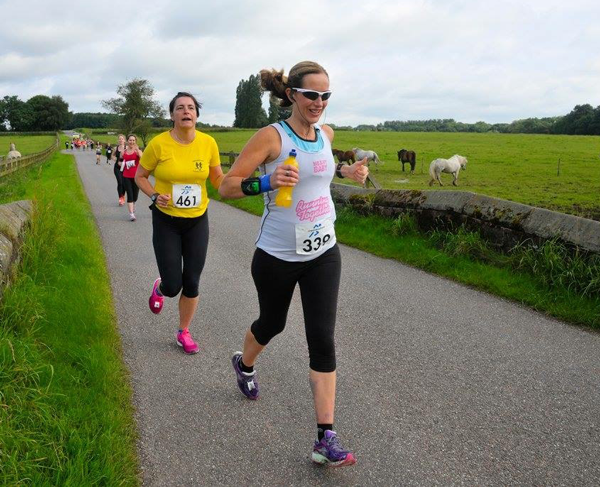
Are your fellow- racers surprised to find a pregnant woman competing?
To be honest I’m not sure a lot of people noticed! I have had a few strange looks when out training though!
Have you had any negative comments about running during pregnancy or have you found people to be supportive?
Generally I’ve found people supportive, especially other sporty types – I guess they understand why I want to continue to run when pregnant. I was out running the other day and it was really warm and I didn’t have a drink. A cyclist who rode past me gave me a wave as he went past, then appeared a few minutes later to insist I have some of his water! He was really encouraging too and I was very grateful I must say!
Perhaps those who may be a bit more concerned are of an older generation, I guess exercise during pregnancy was not the norm in their day!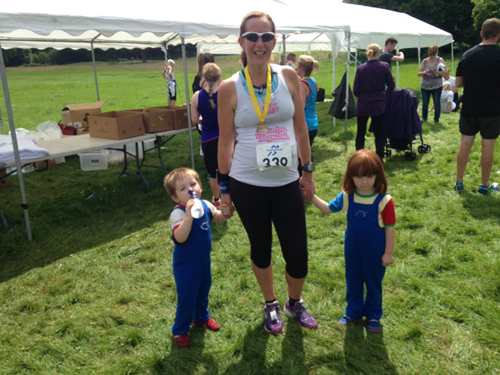
What tips would you give to other pregnant runners?
I’d say to take one run at a time and don’t put too much pressure on yourself. If you have a day when running feels like a struggle don’t give up -you get bad running days even when you’re not pregnant and the next time you might be fine!
Accept that you will find running harder than before you became pregnant and you’ll be slower and probably not be able to run as far – but it’s so much better than doing nothing. Just concentrate on doing what you can. Supportive shoes and undies are crucial and I’ve loved wearing the flattering but comfortable FittaMamma pregnancy fitnesswear! A great investment and they made me feel more confident about going out to be honest.
Did you get back into running soon after your babies were born?
I did! I had two very straightforward births, which I’m convinced my level of pregnancy fitness helped with. I was out running 2.5 weeks after each baby, though I started very slowly with short distances until I regained full fitness.Jo continued to run 25-30 miles a week throughout her pregnancy and took part in the Cheshire Half-Marathon at 7 months pregnant. Wow!
Love Jo’s running gear? Jo wore FittaMamma supportive maternity fitness Capris for running when pregnant. We’d recommend our high impact support top to hold your bump securely – layer it with a ‘Running Buddy’ top. -
 Nicola
Pre-Conception Nutrition with Rosie Letts
Trying for a baby?
Don’t wait until you’re pregnant to start considering a well-balanced nutritious diet for you and your baby. Pre-conception is the time to start planning for health and well-being in pregnancy. A holistic fertility plan can help you optimize your fertility, conceive naturally, and enjoy a vibrant, healthy pregnancy – to benefit you AND your baby!
We asked award-winning nutritionist Rosie Letts to share her tips for healthy pre-conception nutrition.
She says, ‘First and foremost, your approach to fertility should ideal encompass all aspects of your life, and since your body systems are so interconnected, it’s important to start viewing fertility as a whole-body event rather than something that is confined to your ovaries and fallopian tubes. Every couple is unique, but these simple guidelines will help you develop a holistic approach to conception and pregnancy.’
Nutrition is key
Without a doubt, nutrition is key to fertility, a happy pregnancy, and a healthy baby. Modest changes to your daily nutritional intake can make a MASSIVE difference. The optimum fertility diet supports your body in its reproductive efforts and includes foods that are bursting at the seams with the nutrients needed for egg and sperm health, hormone balance, and foetal development.
When you are trying for a baby, focus on these fertility-boosting food groups: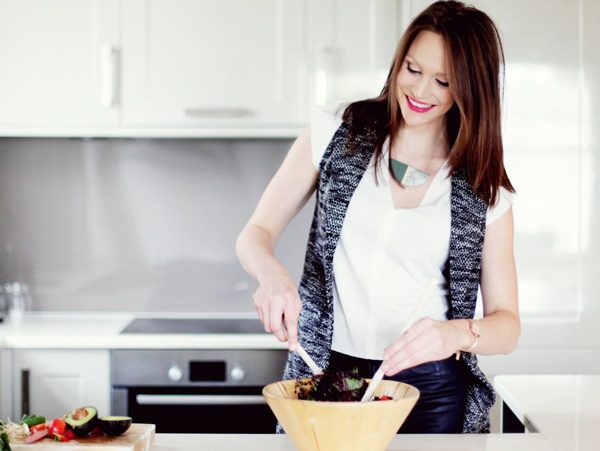
Healthy Fats
Forget low-fat diets; getting enough healthy fat in your diet is essential for nourishing your reproductive organs. Concentrate on eating plenty of nuts and seeds, fish, grass-fed butter and coconut oil.
Protein
Protein is the building block for all the body’s tissues and is essential for your baby’s growth. Eggs, lentils, beans, fish, and grass-fed meats are all great sources of protein and should be a regular part of your pre-conception diet.
Antioxidants
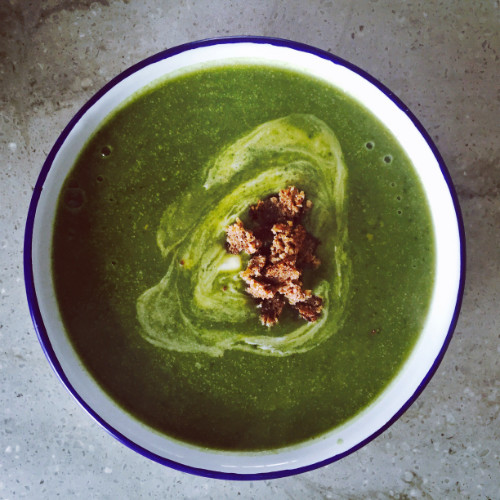
Antioxidants will protect your eggs and sperm from DNA damage. Fruits and vegetables, especially dark green vegetables and berries, are great sources of natural antioxidants. Check out Rosie’s simple and delicious ‘Green Goddess’ soup recipe below …it’s bursting with antioxidants!
CoQ10
CoQ10 has been shown to increase sperm motility, and most men don’t get enough. CoQ10 can be found in seafood and organ meats. Feed them to your partner!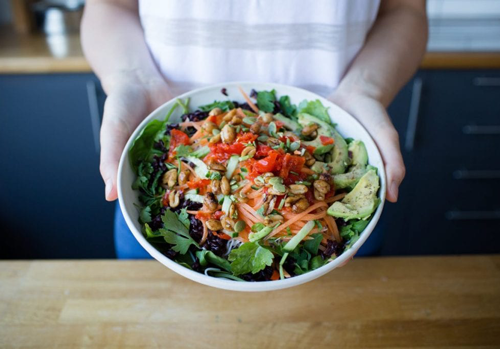
Rosie adds, ‘Many of the couples I work with are too exhausted to think sensibly about trying for a baby. We have had to become experts at juggling our work, social engagements, and home lives. Many couples try to fit having a baby around getting married, renovating their homes, or going for a promotion at work. I always ask my clients to stop and consider what else is going on in their lives and whether or not it can wait. If you are feeling stressed or overwhelmed at the thought of having a baby, there are lifestyle measures you can take to help restore your body’s natural balance.
- Getting enough sleep allows your brain to recharge and your body to rest. I have many articles on how to boost your sleep hygiene. This provides useful tips on how to get a better nights sleep.
- Exercising regularly can bump up your production of endorphins, improve your mood, and reduce your stress levels.
- Stress reduction techniques such as mindfulness, acupuncture, and meditation can help relieve stress.
- Don’t allow yourself to become completely consumed by the thought of fertility; it is still important to inject fun into your life and make time for your relationship.

Rosie Letts is a leading private Bristol nutritionist and functional medicine practitioner. She specialises in weight management, digestive health, fertility and sports nutrition, offering one to one consultations, diagnostic testing and supported online programmes.
www.rosielettsnutrition.comGreen Goddess Soup
Green, leafy vegetables are high in potassium and vitamin K – exactly what your body needs to keep muscles working and blood streaming…..and essential if you’re trying for a baby!
This green goddess soup will ensure your body is loaded with powerful antioxidants, vitamin C and collagen.
INGREDIENTS
Serves 4
- 2 tbsp olive oil
- 1 brown onion
- 1 head of broccoli – cut into florets
- A handful of kale
- A handful of spinach
- 1 potato – peeled and cut into cubes
- 1 litre vegetable stock or chicken stock
- ½ can of chickpeas
- 50ml coconut milk
- salt & pepper to taste
- crème fraiche to serve (optional)
METHOD
- Peel and roughly dice the brown onion.
- Place a saucepan onto low heat and add the olive oil.
- Place the onions in the pan and sweat for 10 minutes, ensuring that they don’t colour.
- Add the chopped broccoli, and sweat again for 4 – 5 minutes.
- Add the vegetable stock, kale, spinach and potato.
- Bring to the boil then simmer for 25 – 30 minutes, or until the potato is soft, then add the chickpeas.
- Remove the pan from the heat & blend.
- Add the coconut milk
- Season with salt and pepper to taste. If its slightly to thick add more coconut milk until the right consistency.
To serve, top with a teaspoon of crème fraiche and a handful of rye croutons.
-
 Nicola
What To Wear For Pregnancy Yoga

Be prepared for pregnancy yoga
A gentle and effective way to keep fit, pregnancy yoga has so many benefits for Mammas-to-be! It provides all the advantages of strengthening, stretching and toning with the added bonus of calming the mind and preparing your body for labour. You’ll find the breathing techniques you practise during a prenatal yoga session really helpful when you give birth and you’ll be glad of the improvements to your strength and flexibility as well.
Joining a pregnancy yoga class does have the advantage of making sure you practise the poses correctly and of course it’s a great way to meet other mums-to-be – but yoga needs minimal equipment and you can easily roll out your mat and practise at home.
Feel good about fitting in a few poses every day to maintain your health and wellbeing during pregnancy.
What to wear for your pregnancy yoga class
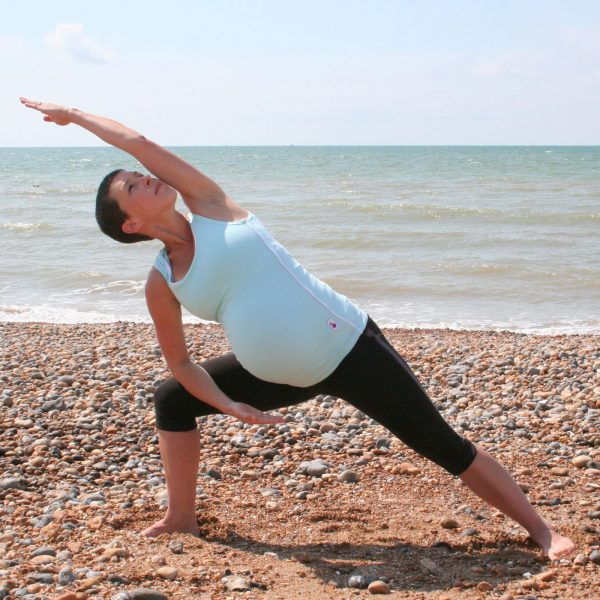
Whilst you might be advised that ‘loose, comfortable clothing’ is ideal for yoga – the truth is, when you’re pregnant ‘loose and comfortable’ can mean ‘loose and lose it’. No-one wants leggings that fall down when you bend down, or a loose top that falls loosely around your head, baring your baby bump to the world when you practise downward dog pose!
Well-fitting maternity yoga clothes will support your baby bump and support your dignity too.
The FittaMamma Exercise top is deceptively simple but its longer length and stretchy fabric will gently support and cover your bump. Soft cotton makes it feel good against your skin too. It looks super stylish in plain black …or choose one of our limited range of gentle, summer colours.
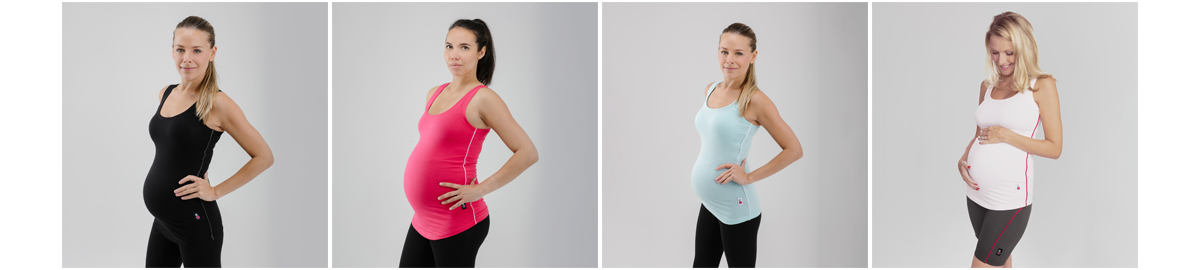
The ‘Mamaste’ yoga vests is perfect for your yoga class – same support, same price, specially created for pregnant yoga bunnies.

For optimum style and support for activity during pregnancy the FittaMamma Ultimate Collection ticks all bases. Independently tested and proven to reduce bump bounce by almost 50% these award-winning fitnesswear tops and leggings have plenty of stretch and flex for prenatal yoga.

For all round, everyday support, our Maternity Workout Support Top holds your baby bump and burgeoning boobs whilst still allowing maximum flexibility, stretching when you stretch. It’s a lovely comfortable option that’s ideal for any exercise or everyday wear.

The FittaMamma range of maternity exercise leggings all include a deep supportive waist panel that holds your bump and lower back and ensures you won’t be trying to hitch up your leggings when you should be concentrating on your yogic breathing. The FittaMamma Maternity Yoga Pants have all the support at the top with a more relaxed fit on the legs – currently available in limited sizes in the FittaMamma sale for only £18.99. Choose the FittaMamma maternity exercise leggings or maternity Capris if you prefer a traditional close fit on your legs.


A few other useful items for practising pregnancy yoga at home
- A yoga mat provides you with additional padding and your own individual non-slip surface.
- Blocks can help, especially if you’re new to yoga. It makes it easier to achieve some of the poses, giving additional support, lift and help whilst you improve your flexibility
- Yoga belts or straps are also a good idea for prenatal yoga, helping to prevent over-stretching your joints
Need any more good reasons to practise prenatal yoga?
- Studies have shown that women who practise yoga during pregnancy are less likely to develop high blood pressure or go into premature labour.
- Many ‘asanas’ will help create more space in your pelvis for your baby and can help ease pregnancy back pain.
- Pregnancy yoga soothes the mind, refocusing your energy and helps you to prepare psychologically for your baby’s birth.
- There are a number of poses that can assist or even speed up labour, easing your baby’s entry into the world – and help speed recovery after the birth as well.
- Breathing techniques can be invaluable during labour, helping you to relax and manage pain.
- Visit FittaMamma Active Pregnancy for many simple, easy to follow beneficial yoga poses
Issue 27
Fittamamma Magazine > Issue 27


