-
 Nicola
No ifs, no buts… Let’s tone your butt

Let’s tone your butt
Of course you want a pert butt and firm thighs but keeping your legs and bum toned has added value for Mammas-to-be. As the hormone relaxin kicks in and your ligaments soften many pregnant women suffer from pelvic girdle pain or SPD. Strengthening your glute muscles can stabilize your hips and pelvis reducing the chances of developing lower back, hip and pelvic girdle pain during pregnancy.
Strong legs are always a bonus, but you’ll be especially glad to maintain the strength and power in your lower body during labour and when you’re carrying your baby after he or she is born.
Ready to tone? Pregnancy fitness expert Kimmy who has recently given birth to her second baby takes us through her favourite pregnancy exercise routines to tone your bum and thighs.
Lie on your back, arms at your sides, knees bent and feet on the floor about hip distance apart.
Lift your hips towards the ceiling, squeezing your glutes and controlling the movement as you lift.
Hold for one count and lower.
Aim for 15-20 lifts
Lower your hips back to the mat
Make it more powerful
Raise one leg towards the ceiling.
Lift and squeeze, keeping your leg vertical
Repeat 8-10 times on both legs.
Lower your hips to the mat.
Kneel on all fours, knees under your hips, hands firmly on your mat under your shoulders, core engaged.
Lift your leg up behind you, with your knee bent at a right angle, foot parallel to the ceiling.
Pulse your leg, glutes engaged, pushing your foot towards the ceiling.
Pulse 15-20 times and repeat on the other side
Make sure you keep your body firm, without tilting to one side
Keep the same position but this time bring your knee back down towards the mat without touching it down.
Keep your knee bent and lift back towards the ceiling with smooth, controlled movements.
15-20 lifts and repeat on the other side
Kneel on all fours, knees under your hips, hands firmly on your mat under your shoulders, core engaged.
Raise one leg sideways, knees still bent at right angles until your outer thigh is parallel to the ceiling and squeeze back towards your other leg without touching the mat .
Keep the movement slow and controlled.
Repeat 15-20 times on each side
If you’re doing this at home and don’t have a step use the stairs!
With your hands on your hips stand in front of your step.
Step on, bringing your hands together at chest height, kicking your other leg out behind you.
Step back, bring your arms back down to your hips.
Repeat on the same leg 20-25 times.
Switch legs.
Keep your movements controlled, core engaged, looking straight ahead.
Stand tall, feet slightly more than hip distance apart, toes turned out, hands behind your head.
Make sure you’re not pushing your head forwards, keep your core engaged, feet flat on the floor.
Squat down as far as you’re able. Return immediately to standing.
Repeat 10-15 times.
This exercise is great for opening up your hips and encouraging your baby into the correct position for birth.These pregnancy workout routines are suitable for all trimesters but if you have any concerns about your health or the health of your baby consult your health professional.
-
 Nicola
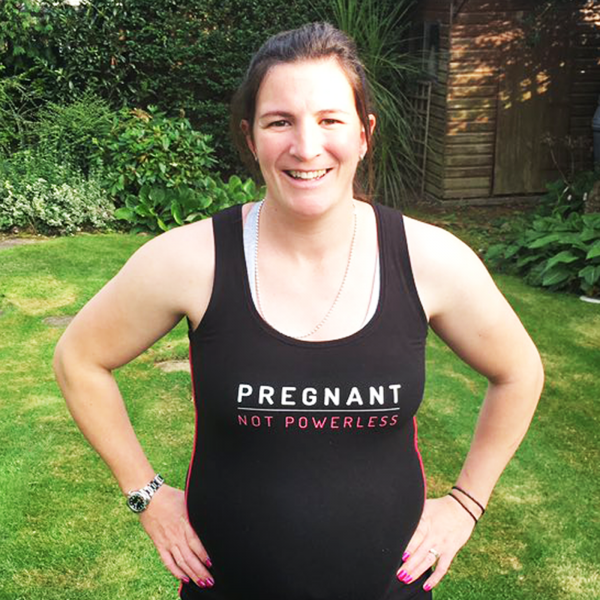
Pregnant Not Powerless – the campaign

PREGNANT
NOT
POWERLESS
Let’s work together to create social change. Let’s encourage women to give their children the best possible start in life.
Despite the positive benefits of prenatal exercise many women are still judged negatively for choosing a fit and active pregnancy. Women have been deemed ‘selfish’ and ‘irresponsible’ and accused of putting their unborn baby at risk. Many women are made to feel uncomfortable about exercising during pregnancy and scale back or give up altogether.
Although there are many reports and rafts of evidence to confirm that staying fit during pregnancy has significant benefits for both mother and baby, thousands of women and their partners still aren’t aware of just how important it is to stay active.
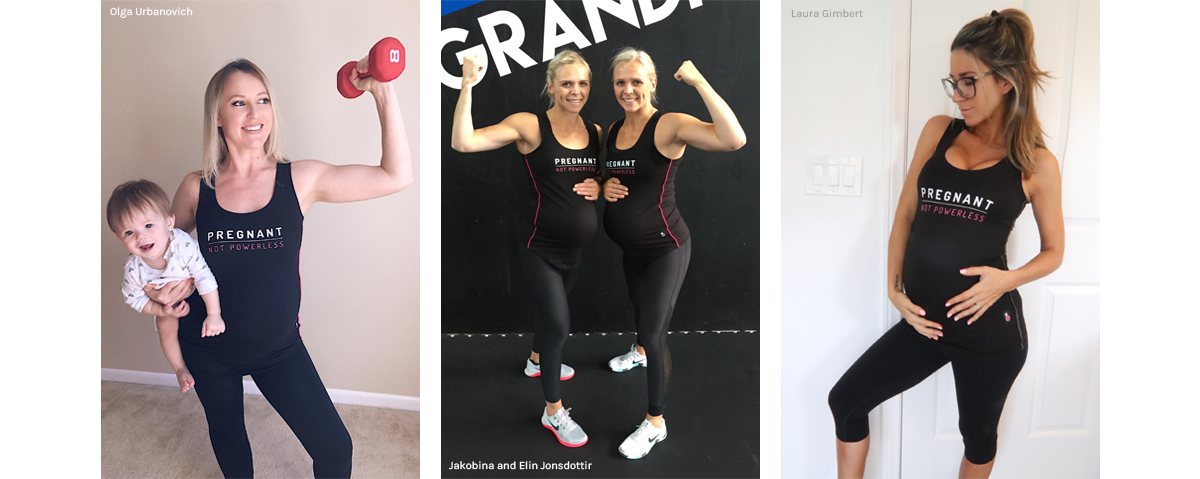
We’ve launched our Pregnant Not Powerless campaign to inspire women, motivate mammas-to-be, and reduce the overwhelming amount of negativity towards the incredible women who choose an active and healthy lifestyle, continuing to exercise during the most important 9 months of their lives.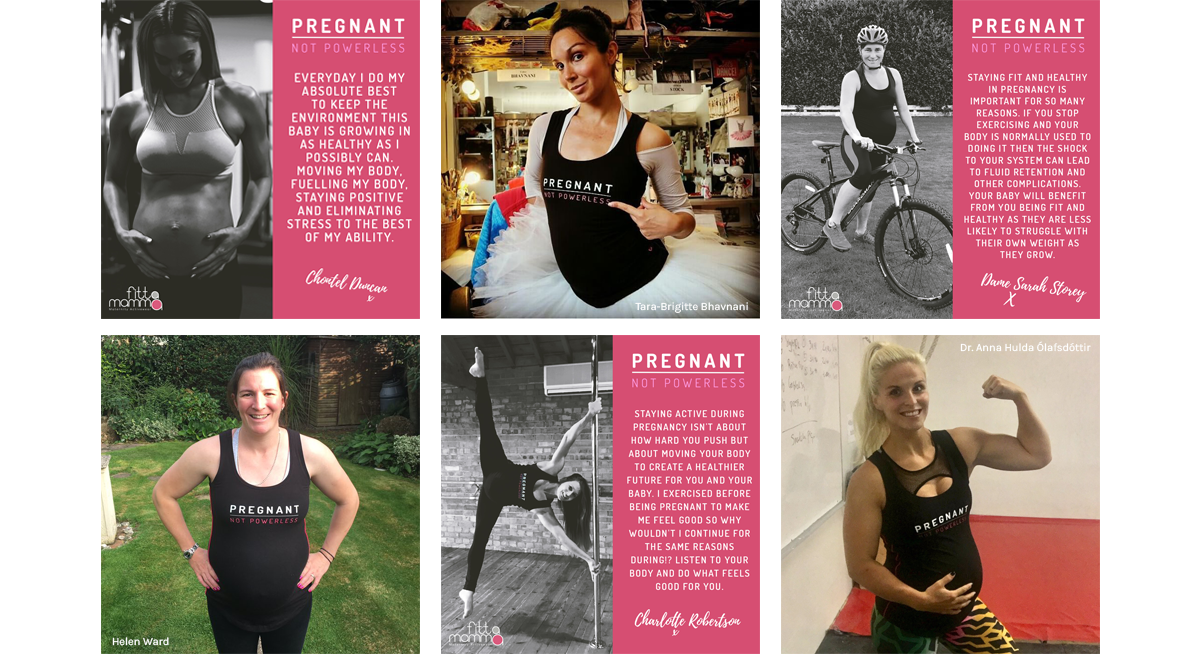
With support from influencers including 14x Gold Medal Paralympian Dame Sarah Storey, fitness blogger Chontel Duncan, international footballer Helen Ward, Dr. Anna Hulda Ólafsdóttir and many, many more, we offer research, expert advice, support and encouragement.
By uniting women, we are creating a support and information hub for mums, new mums and mums-to-be. Our health-conscious generation needs to understand the benefits of exercising during pregnancy, and to enable future generations to freely enjoy a safe and happy active pregnancy.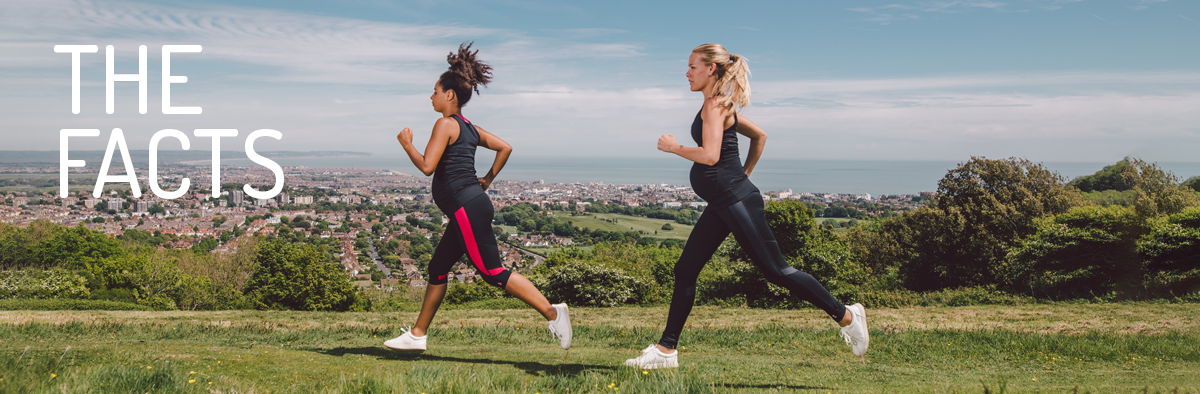
Women who are physically active in the first 20 weeks of pregnancy are around a third less likely than inactive women to develop pre-eclampsia.
Many common complaints of pregnancy, including tiredness, varicose veins and swelling of ankles, are reduced in women who exercise.
Active pregnant women experience less insomnia, stress, anxiety and depression.
Women who exercise are up to 31% less likely to give birth to chubby babies, reducing the risk of needing a C Section.
Women who practice yoga 2 to 3 times per week experience a significant drop in their blood pressure, greater than a healthy diet alone.
High sugar intake during pregnancy can increase the risk of allergic asthma in their offspring by up to 101%.
Babies born to active mothers have improved long-term vascular health and a higher propensity to exercise themselves in later life
Staying active and continuing to exercise during pregnancy helps to maintain a normal weight gain and make it easier to regain your pre-baby body after the birth.

-
 Nicola
Helen Ward is “Pregnant Not Powerless”
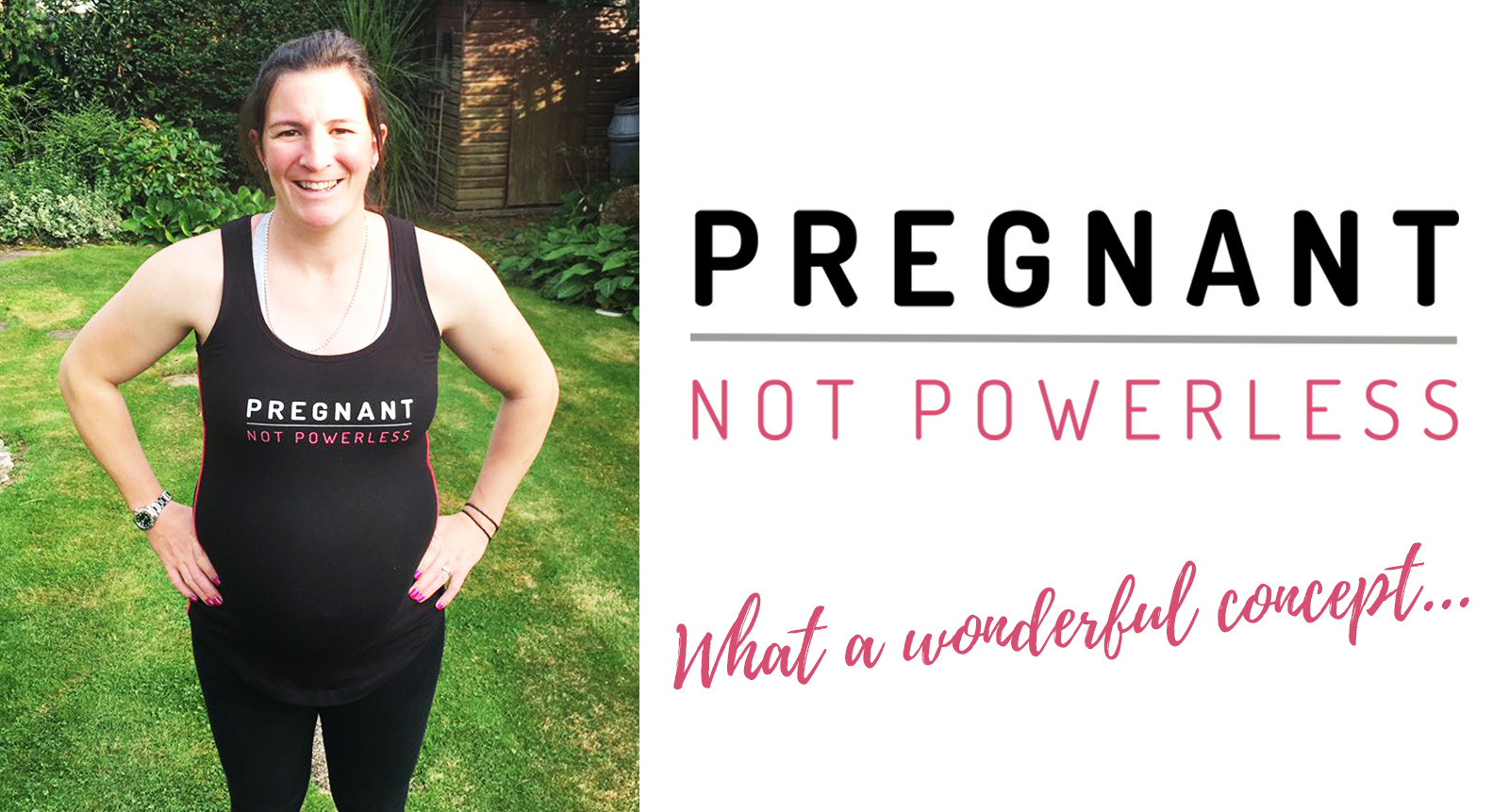
International footballer and inspirational Mamma Helen Ward tells us why she is ‘Pregnant Not Powerless’…
I am coming to the (very) latter part of my pregnancy and ever since I announced that we were extending our family, over six months ago, I have been asked the same questions, over and over:
“Should you still be doing that?”
“Are you sure that’s safe?”
“You should have your feet up, when I was pregnant I barely got off the sofa”
and so on…
It became a bit dull, but it just goes to show the lack of knowledge or information that is out there with regards to safe exercise during pregnancy – especially at an elite level.
I have played football for over 20 years, almost 10 of those at international level so it is safe to say that my body is used to high intensity exercise. When you become pregnant, there is no reason to stop, as long as you are sensible and listen to your body.
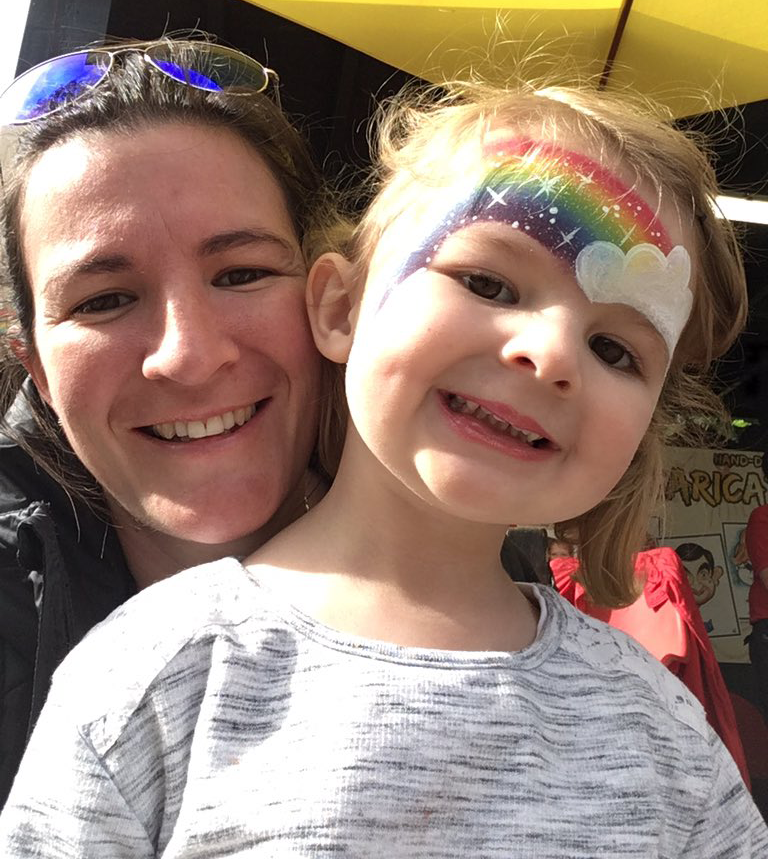
Every woman and every pregnancy is different so it is important to remember that there isn’t one way for everyone. I wanted to learn from my first pregnancy where I was too scared to carry on and so I researched as much as possible and spoke to experienced medical and sports science professionals to work out a programme to suit me.
I knew I needed something to keep me motivated as I had no more football to keep me sane. As much as I love spending my days with my little girl, I still needed my escape and for me, that was an hour in the gym, three or four times a week. I could focus on me and what made me feel good which in turn, would have a positive effect on the little wriggler inside me.
What has also helped is having inspirations such as Jessica Ennis-Hill who returned to action after having her son. Serena Williams, Laura Kenney and Dame Sarah Storey are also hugely successful sportswomen who have or are continuing to train during their own pregnancies. It is great that the media are making us aware that this is happening and that it is OK.
As my bump got bigger and more noticeable, it became apparent that people thought I was crazy – and it was those kinds of reactions that prompted me to champion other women who have also kept up their own exercise and fitness regimes during pregnancy. Pregnancy isn’t an illness, it’s a wonderful and life changing thing, but doesn’t mean your life has to stop.My experience has left me feeling happy both physically and mentally and has hopefully put me in a good place for when I return to playing football postpartum. Everyone has their own reasons for what they do or don’t do while pregnant and the most important thing for me is for everyone to respect those decisions and to never judge.
Since writing this Helen has given birth to a healthy baby boy. Congratulations and welcome to Charlie Daniel Ward! And thanks to Helen for supporting our Pregnant Not Powerless campaign, encouraging and inspiring women that exercise during pregnancy benefits both mother and baby.
-
 Nicola
Ten facts about pumpkins for pregnant women

TO PUT PUMPKINS ON YOUR MENU
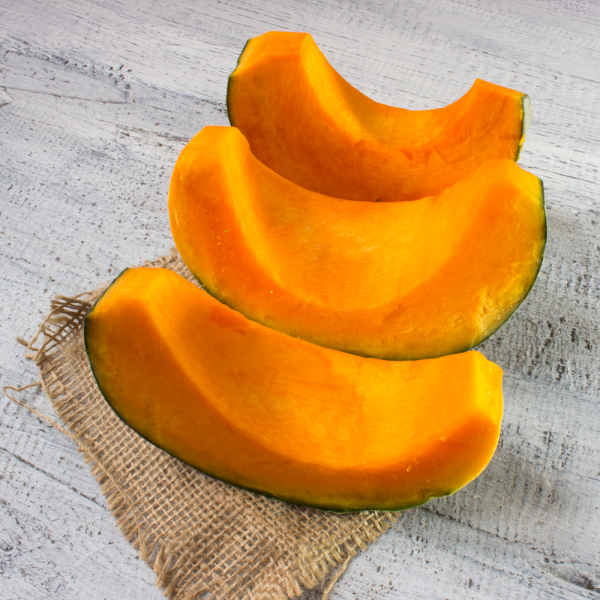
Halloween lanterns might have their place on the window sill, but pumpkins have much more to offer than a vegetable that handily converts into a temporary night-light. Put pumpkins on your menu – they’re a delicious, nutritious food choice for pregnant women!

- Pumpkins are a fantastic source of beta-carotene, essential for your healthy pregnancy. Beta-carotene is an inactive form of Vitamin A. Just 1 cup of pumpkin provides more than four times the recommended daily intake for pregnant women.
- Packed full of vitamin C, pumpkins will help to boost your immune system. One cup of cooked pumpkin contains around 20% of the recommended daily Vitamin C intake for pregnant women.
- Pumpkins lend themselves to easy soups, blended and easy to digest if you’re struggling with pregnancy nausea or heartburn. Spice them up, mix them with coconut milk or blend with lentils for added protein.
- Don’t discard the seeds – they’re rich in Tryptophan, an essential amino acid which has a calming effect and can help lower anxiety and promote better sleep. Roast the seeds and use them as mood-boosting snack.
- A good source of fibre, pumpkins are a good aid to digestion, helping to keep things moving and avoiding the dreaded pregnancy constipation.
- Pumpkins have a good mix of other pregnancy essential nutrients too, including niacin, calcium, phosphorous, potassium and iron.
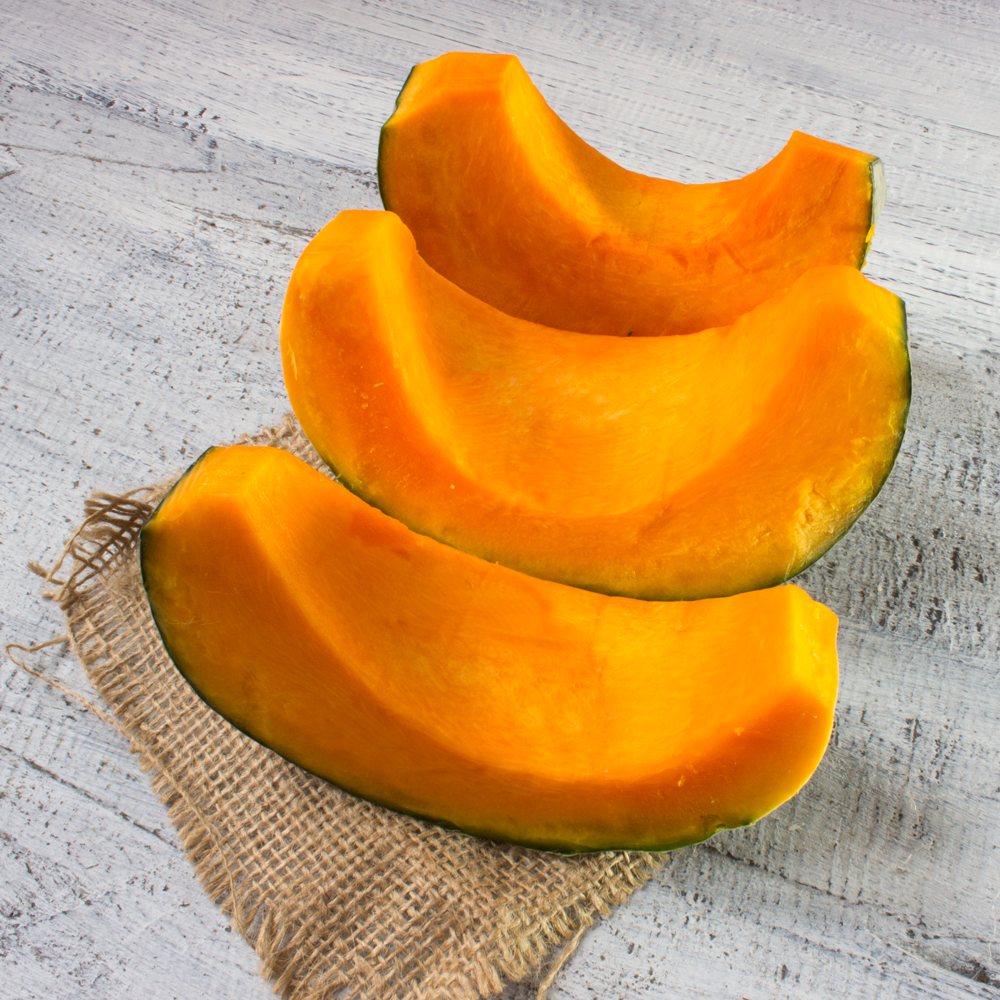
- Have you tried roasted pumpkin? Cut it into chunks and roast in the oven with a little olive oil and a dusting of paprika, it’s especially delicious with chicken or fish.
- Pumpkin stores well. Choose one with no soft spots or bruises on the skin and keep it somewhere cool and dark – it will last for several weeks.
- Cooked pumpkin has a high potassium content. Leg cramps during pregnancy have been associated with a lack of potassium – pumpkins are a good way to keep those pregnancy cramps at bay.
- The high potassium content in cooked pumpkin is also key for refuelling after your workout. Extra potassium can help restore the body’s balance of electrolytes after your pregnancy exercise session, keeping your muscles functioning and energised.
- A great savoury choice, pumpkin puree also works well as a nutritious sweet treat – and not just for your favourite Thanksgiving pie. Try these pumpkin rich muffins – a healthy pregnancy treat!
Oh dear. We have eleven facts

Issue 3
Fittamamma Magazine > Issue 3


